
On 1 December 1992, Kelly Slater claimed his first ASP World Title at the Pipeline Masters in Hawaii, becoming the youngest men’s world surfing champion in history at 20 years old. The win announced the arrival of a new generation in a sport long ruled by established power.
A rough day, a stolen lead
Conditions were grim for the final. Rain fell steadily as the swell dropped to an uneven three-to-six feet, with only occasional larger sets pushing through the reef. The heat pitted Slater against reigning world champions Barton Lynch and Sunny Garcia, plus local Pipeline specialist Liam McNamara.
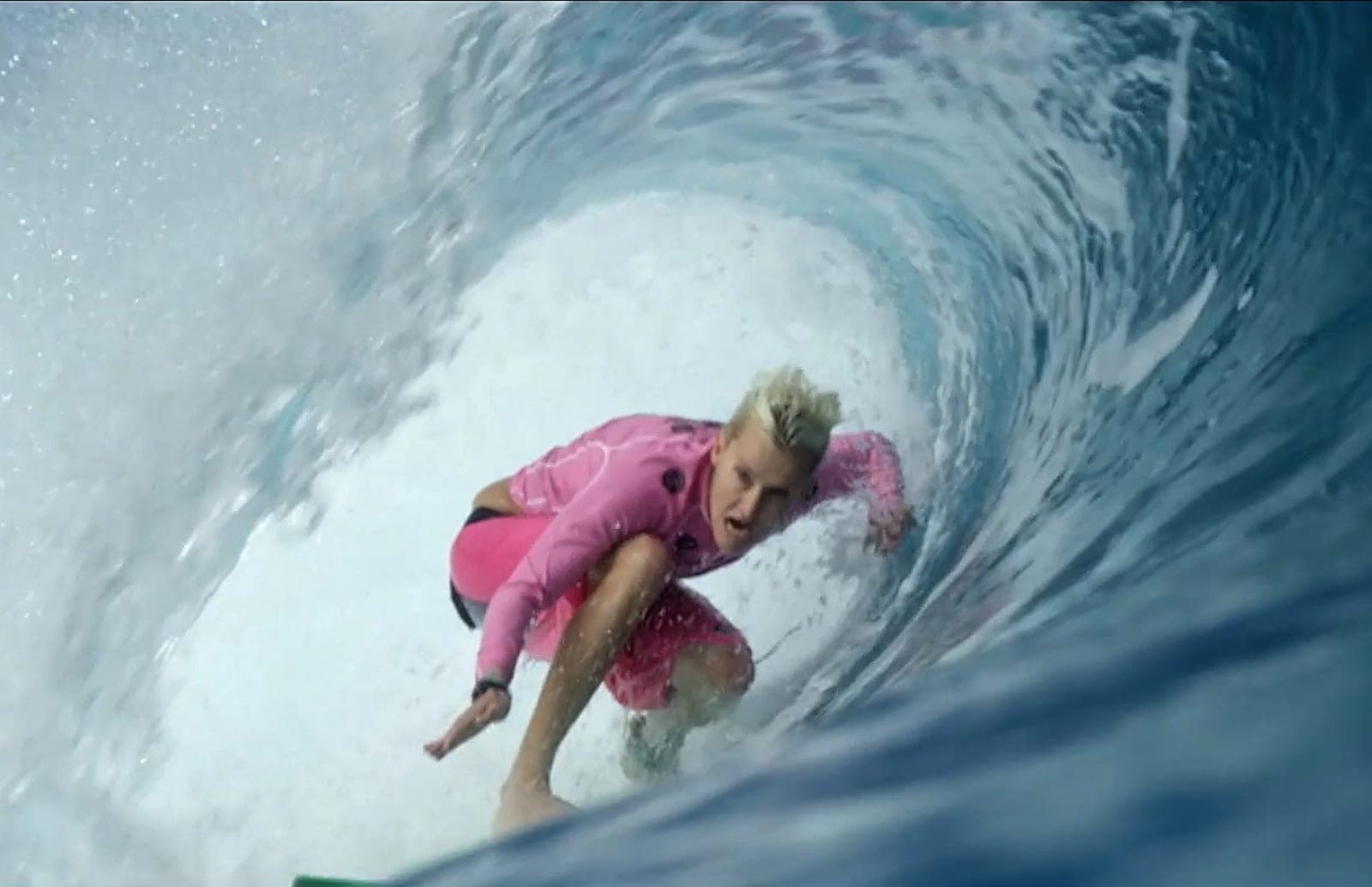
Garcia briefly held the lead despite surfing with an injured arm. Then a wipeout drove his head into the reef, forcing him to hospital with concussion. With under five minutes remaining, Garcia’s earlier score still topped the sheet when Slater spotted a smaller wave at Backdoor and pulled into a threading tube.
That single ride earned him the lead by less than a point. The margin was razor-thin, the result seismic. The World Surf League later noted the Florida kid’s victory “rattled the surfing establishment to its core” and signalled the dawn of the New School generation.
Rewriting the record books
The title defied recent form. Slater had turned professional in 1990 and finished 90th in the world rankings that year, then 43rd in 1991. His 1992 campaign opened with three podium finishes from five events, culminating in a maiden tour win at the Rip Curl Pro in France before arriving at Pipeline.
By the time he reached Hawaii, he had already clinched the championship mathematically. But respect from his peers hinged on a strong showing at the tour’s most scrutinised event. A meagre two years after finishing 90th globally, he owned the crown that would grow into 11 world titles, five consecutive from 1994 to 1998, and a record seven Pipeline Masters victories.
The youngest man ever to hold the title had opened a chapter no one could close.