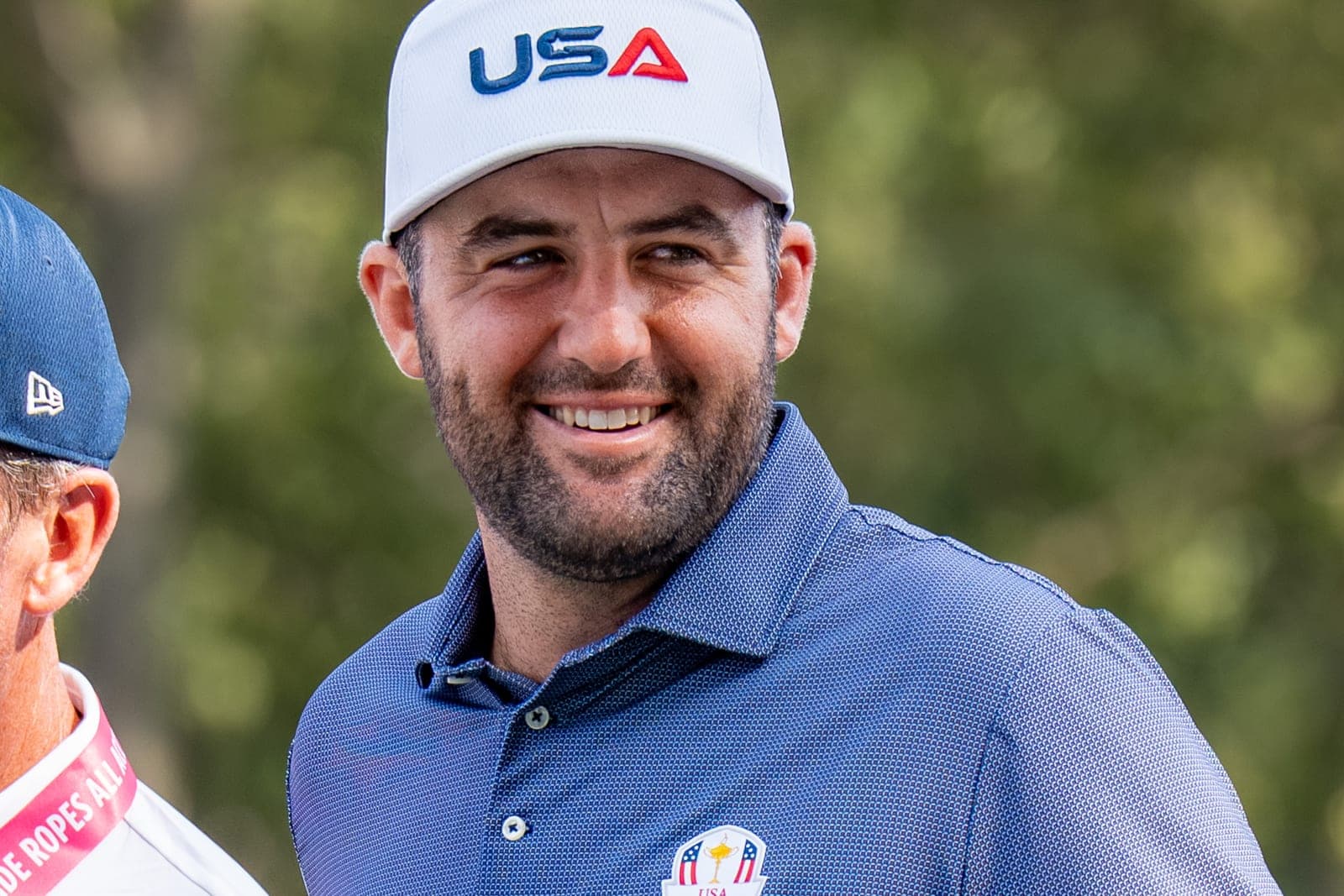
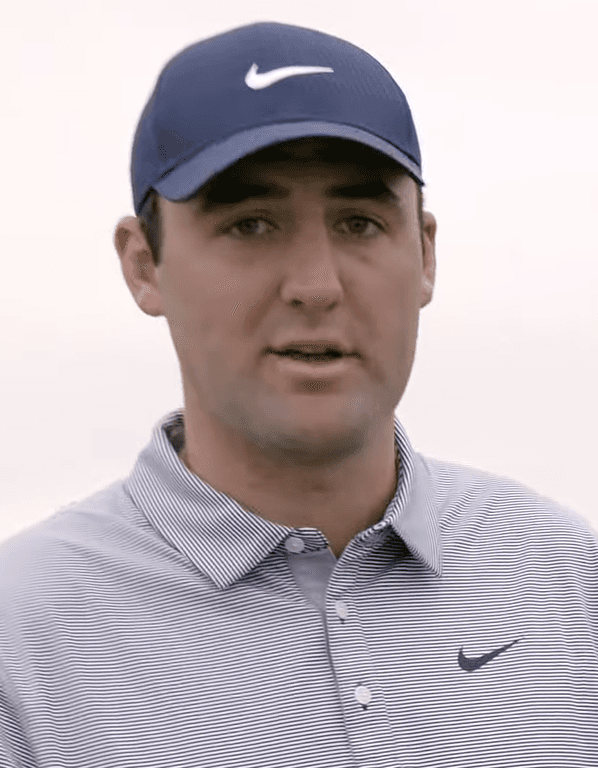
Scottie Scheffler stood on the practice range at Le Golf National, spent, waiting. The gold medal was already his, though he could not yet be sure. Minutes later, Tommy Fleetwood's pitch from the left of the eighteenth slid past the hole, and the world's best player had won the Olympic men's golf title in his first appearance at the Games.
How the round turned
The finish did not resemble the day. Scheffler began the final round four shots back of overnight leaders Jon Rahm and Xander Schauffele, both of whom had surprising meltdowns in the final round. Schauffele faded early. Rahm did not. The Spaniard held a four-stroke lead on the inward half. With seven holes to play, gold looked to be leaving Paris in another man's hands.
Then Scheffler answered in the only currency that mattered. Four shots behind to start the final round, six shots behind early on the back nine, Scheffler birdied five of six holes down the stretch and matched the course record with a 9-under 62 for a one-shot victory over Tommy Fleetwood. He birdied holes 1, 2, 3, 10, 12, 14, 15, 16 and 17. The inward half was the decisive stretch. Scheffler played the back nine in 29 on his way to a 9-under 62 and a 19-under total. The round carried no bogey.
He signed his card and could only watch. Great Britain's Tommy Fleetwood made a 6-foot par putt on the final hole to secure the silver medal while Japan's Hideki Matsuyama won bronze. Scheffler set an Olympic record for 72 holes at 19-under 265. On the podium the composure broke. When the final few bars of the national anthem belted out across Le Golf National, he lost control, raising his left arm to cover the sobs.
A step in the trajectory
The medal completed a picture already being drawn all year. Scheffler arrived in Paris as the game's dominant figure, a two-time Masters champion and a winner of six PGA Tour titles by August. Yet the Olympics offered something his majors could not: a national anthem, a single day, a gold reserved for one player from every nation. He is the first player to enter the Olympics ranked No. 1 in the world and win gold.
What followed only deepened the case. The seasons after Paris brought the 2025 PGA Championship at Quail Hollow and the 2025 Open at Royal Portrush, three legs of the career Grand Slam gathered in. The comeback in France now reads as a hinge between the dominance already achieved and the majors still to come.
For one afternoon, the tears said more than the scorecard. The best player in the world had found something new to win, and it moved him.