The Toronto Sweep
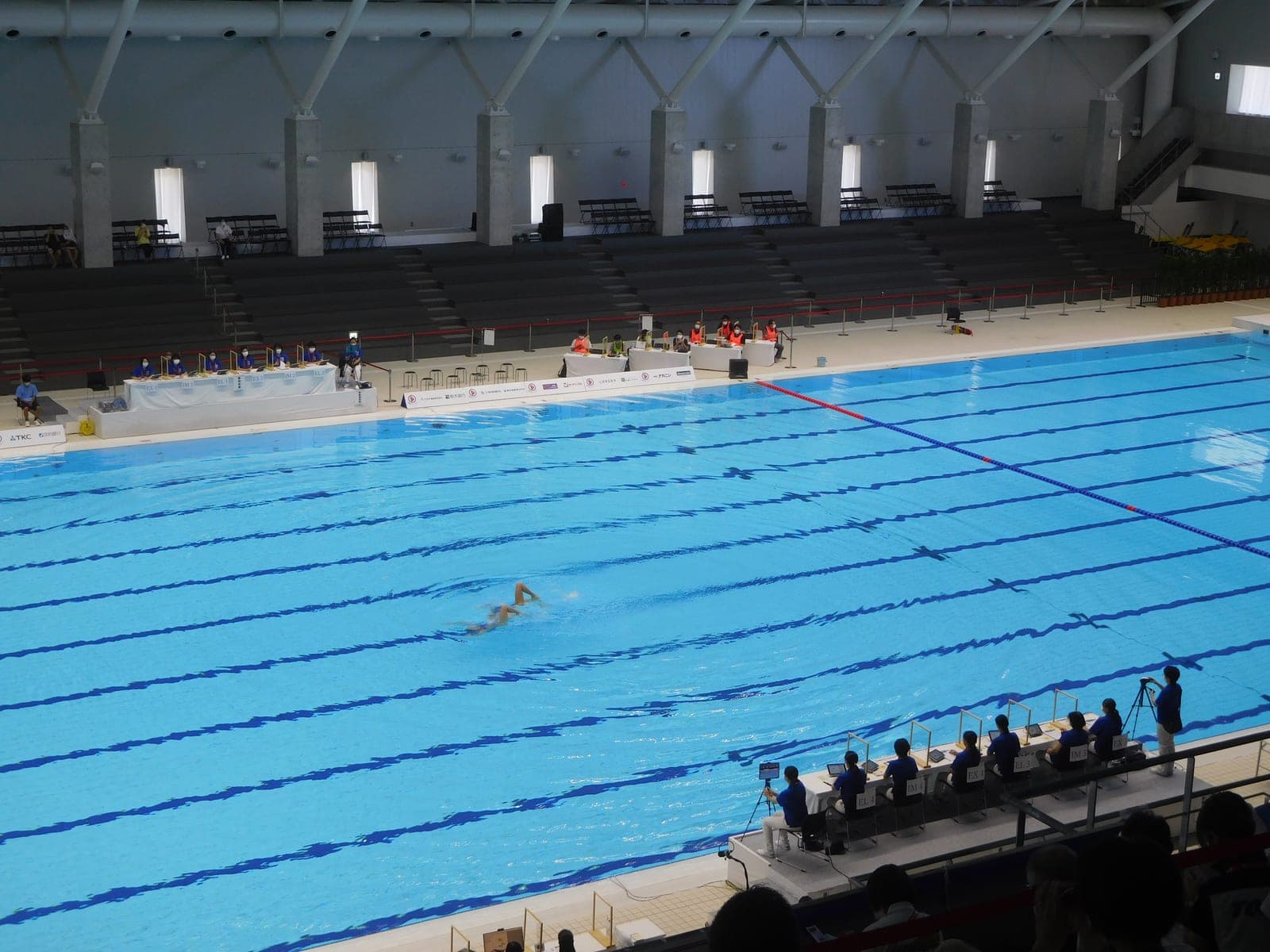
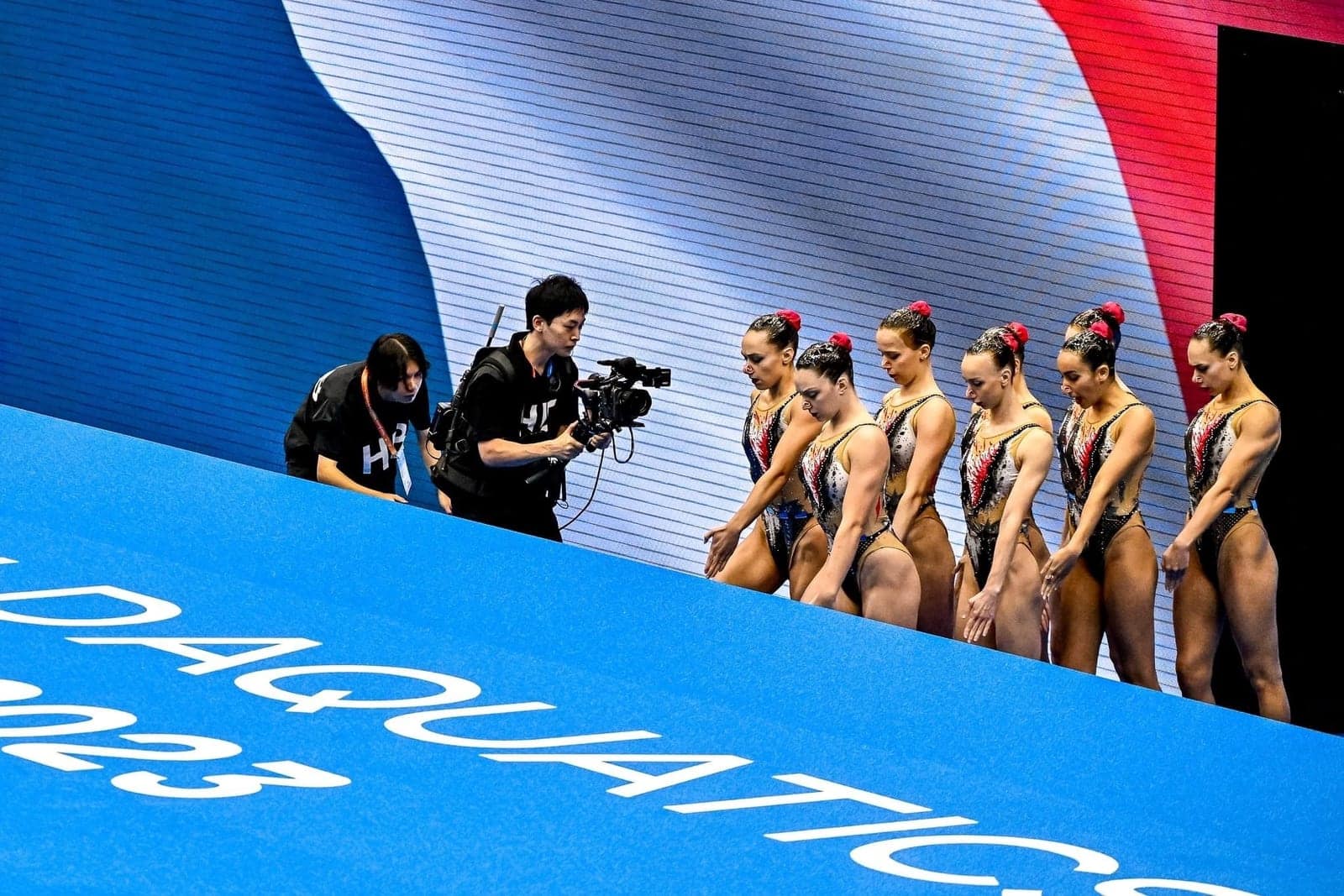
The 2026 World Aquatics Artistic Swimming World Cup Super Final closed in Toronto with one name across four of its top steps. Between 19 and 21 June, Ranjuo Tomblin of Great Britain won everything he entered. Two solo titles. Two more alongside Izzy Thorpe. Four golds, and no answer from the field.
The week opened with the men's solo technical. Tomblin earned 249.2033 points to finish ahead of his 18-year-old Chinese rival Guo Muye, who totalled 245.6576. The margin was slim, and it was built on risk. "Muye is a very strong contender, so I've had to up my degree of difficulty to kind of play around with what works and what doesn't," Tomblin told World Aquatics.
He gave the field no pause. He followed up immediately by winning the mixed duet technical title with Thorpe as they accrued 224.3934, with Italy's Filippo Pelati and Lucrezia Ruggiero taking bronze. Then came the event he trusts least. Tomblin won the men's solo free with a total of 255.9600, ahead of Pelati on 246.2639, after choosing height and execution over difficulty. He was candid about the surprise. "Today I think they'll be shocked because the solo free is not my strongest event," he said of his family watching from home.
A Trajectory Without Precedent
The fourth gold carried its own weight. Tomblin partnered Thorpe to victory in the mixed duet free — the event in which they took world bronze last year — with a score of 264.3033. A bronze twelve months ago had become gold. The progression was plain to read.
This is the shape of Tomblin's whole story. He became the first male artistic swimmer to represent Great Britain internationally at the 2021 European Junior Championships, then went further to compete for Team GB. The barriers kept falling. In 2024 he won Great Britain's first European gold in artistic swimming for 39 years, as the nation claimed a record medal haul at the European Championships.
The season now closing was the confirmation. At the opening World Cup leg in Paris he had clinched a men's technical solo victory, the first World Cup medal for a British male, decided by less than a point. From that narrow start in the spring to a clean Toronto sweep in June, the direction never wavered. The margins that once trembled at a fraction now sit comfortably in his favour.
Tomblin arrived where no British man had been, then made the water look like home.