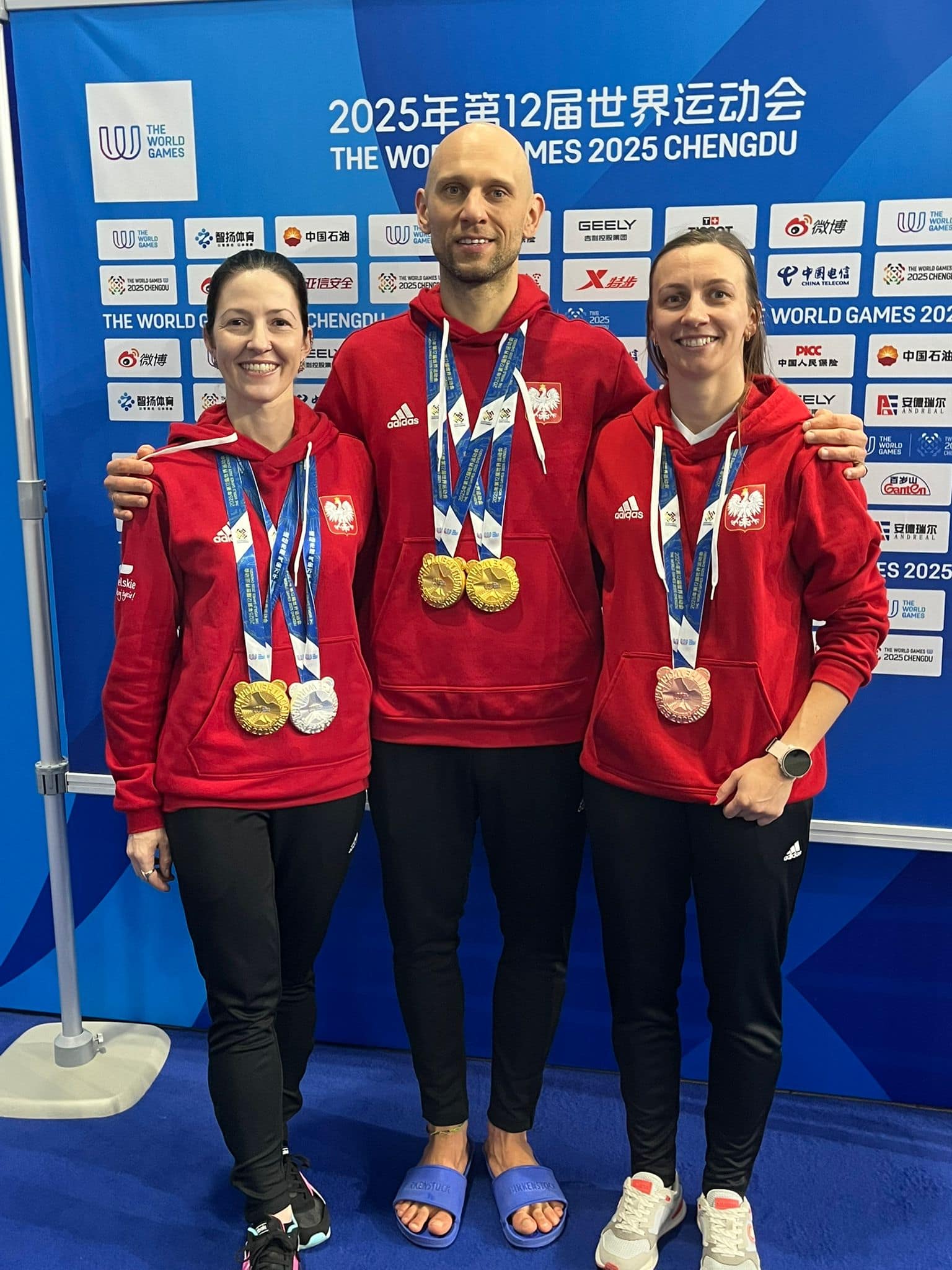
On the opening day of the World Apnea 2026 Pool Championships, Magdalena Solich-Talanda covered 270 metres on a single breath. The swim lasted four minutes and four seconds. It won gold in Dynamic Bi-Fins and, pending ratification, set a new world record.
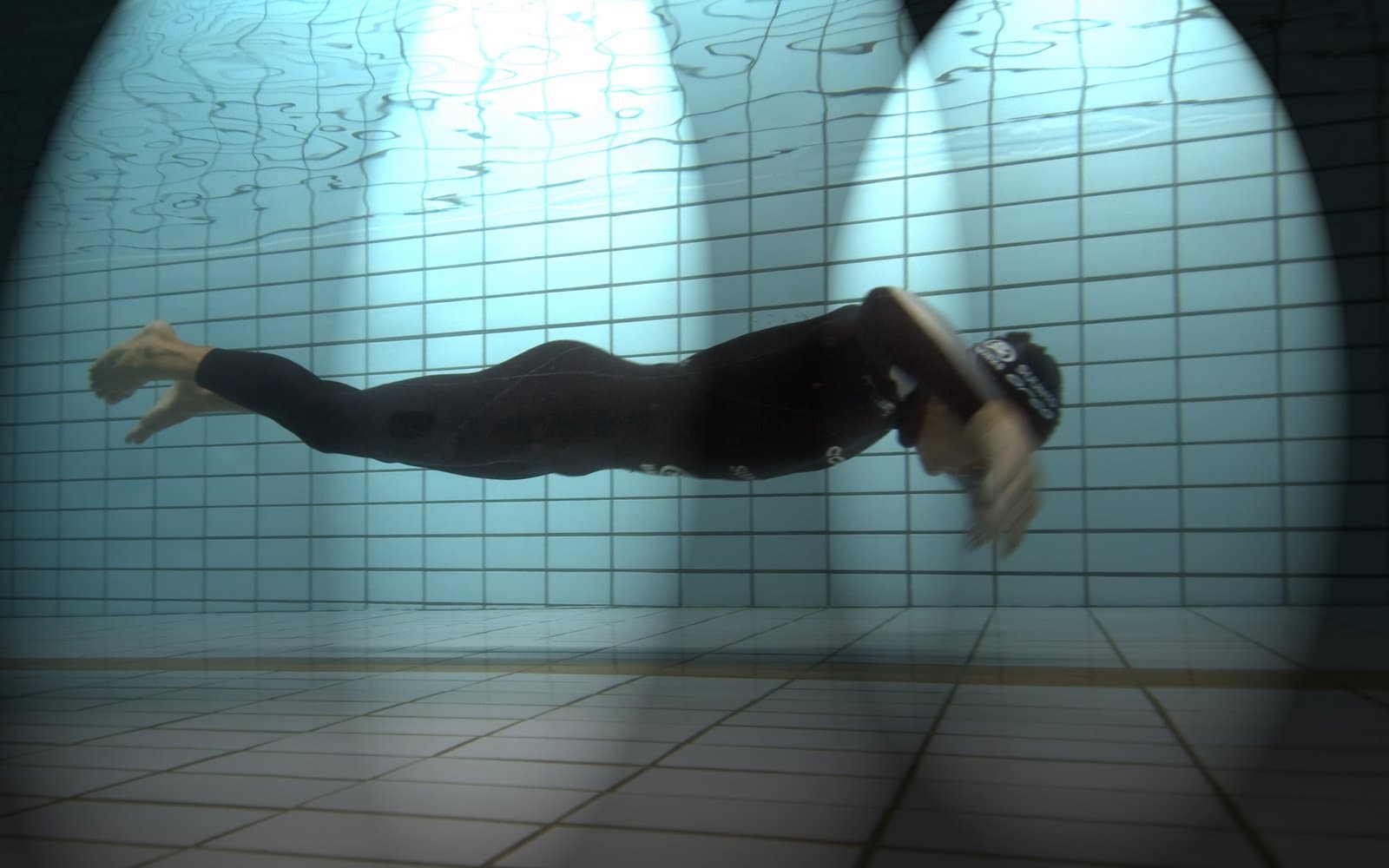
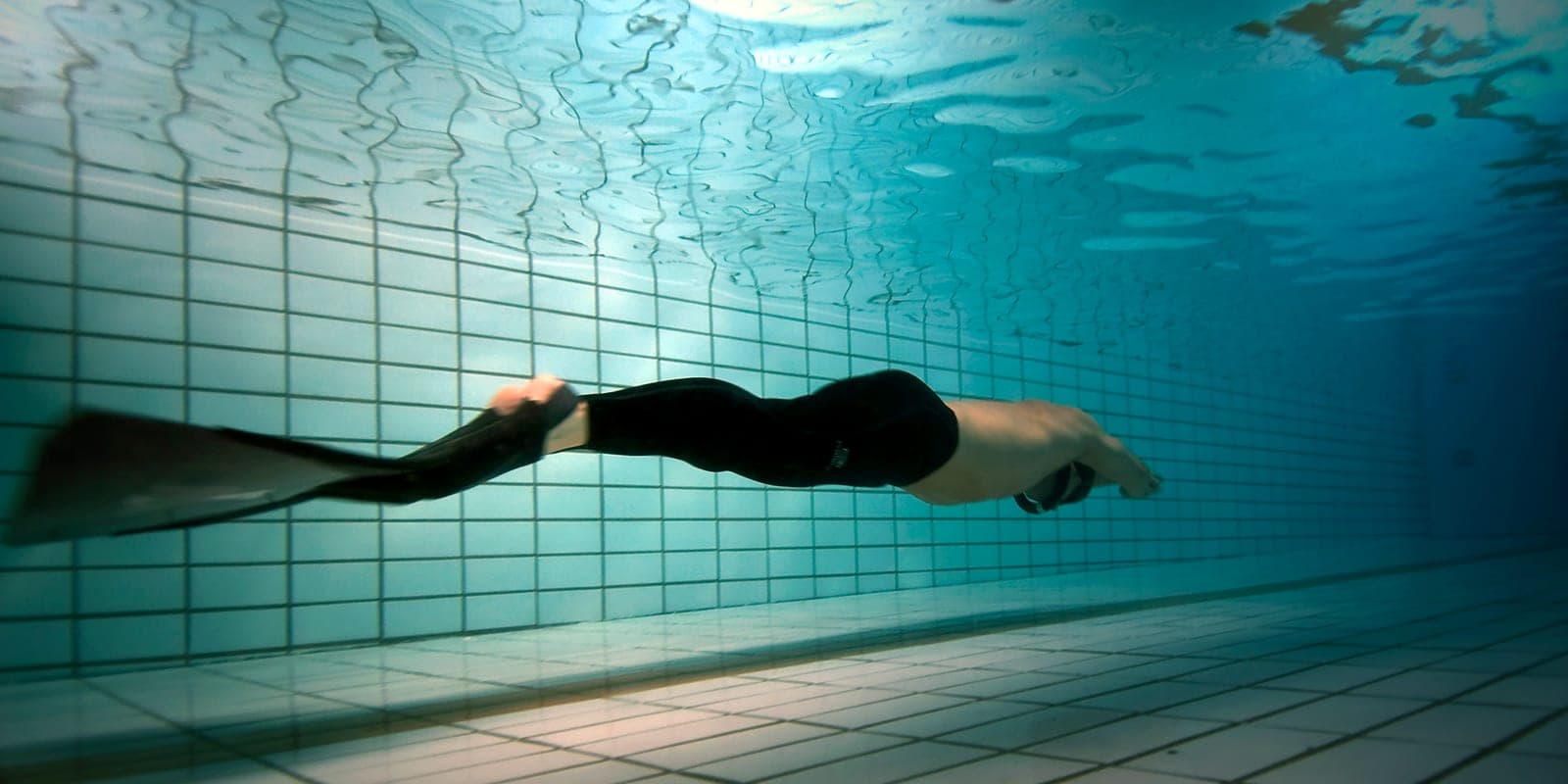
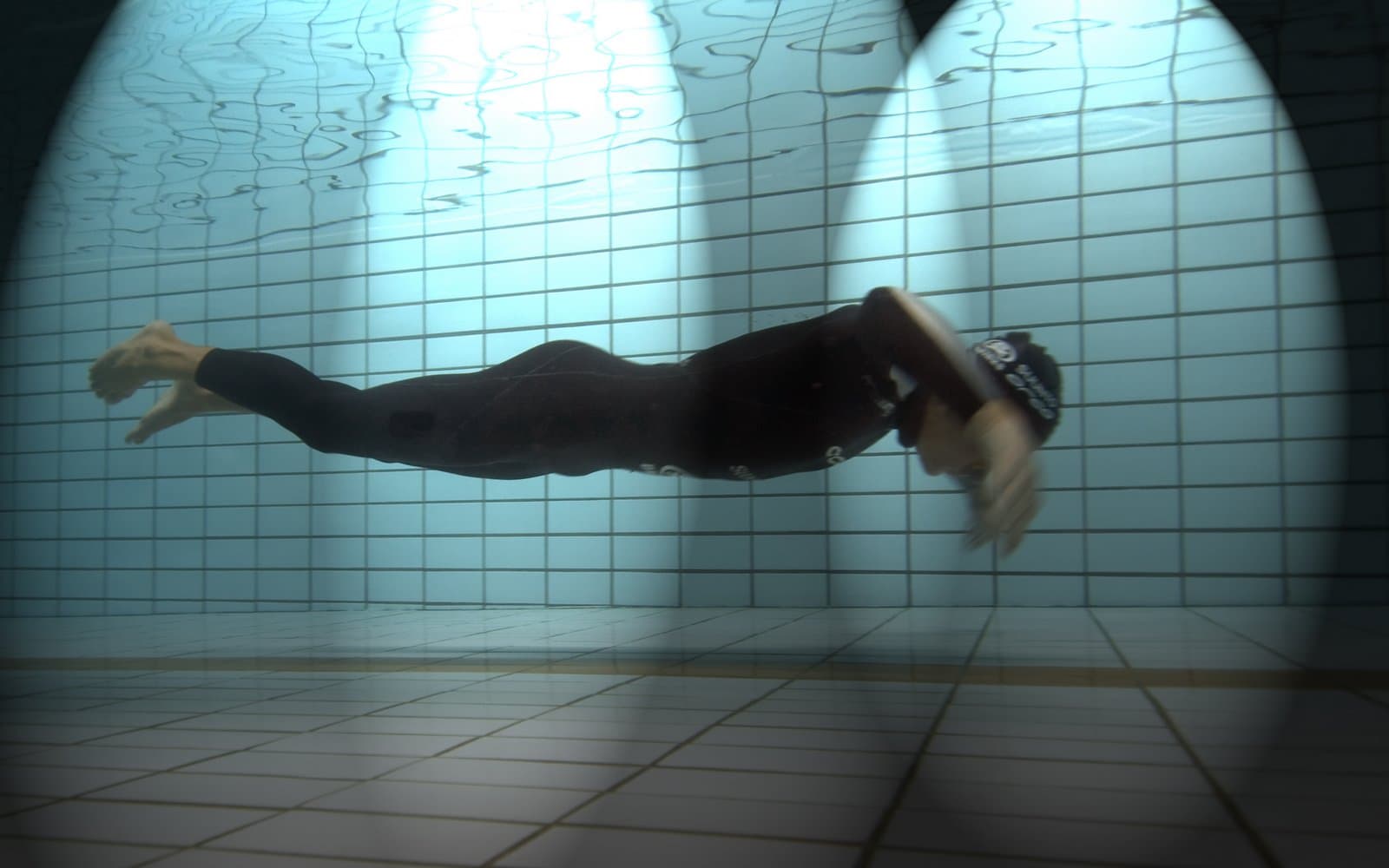
Budapest. The Duna Arena. Solich-Talanda pushed off into the sixteenth heat and settled into the long flutter kick that the discipline rewards, two fins driving her down the 50-metre pool and back, length after length. Dynamic Bi-Fins asks a freediver to cover the greatest possible distance underwater on one breath, using two fins and a flutter kick. The distance is where it is decided. She turned, and turned again, and did not stop until the count read 270 metres.
The mark beat the previous world record by 11 metres. Hungary's Zsófia Törőcsik had set the old figure of 259 metres in 2025, and the new record now waits on ratification. The margin was clear. It was also personal: this was territory Solich-Talanda had held before and had come to reclaim.
How the morning was won
She took her medal early and then made the arena wait. Törőcsik swam in the final heat, and the crowd anticipated her answer; the Hungarian reached 250 metres but blacked out before surfacing. That opened the way for South Africa's Bevin Reynolds, who returned after a three-year break to complete 250 metres, take silver and set an African continental record. South Korea's Hyegeum Oh finished third at 233 metres. The field was large — 222 athletes from 59 countries contested Dynamic Bi-Fins, among them five world record holders — yet the top of the women's result was settled by the woman who went first.
A record reclaimed
The number sits inside a long arc. The result adds to one of the deepest medal collections in the sport; Solich-Talanda has held world records across the dynamic disciplines since 2016. She came to the water late, starting the sport at 24, and inside a few seasons had turned world championship titles and world records into routine. She had already set this Bi-Fins record twice before, and in Budapest she was taking it back from Törőcsik.
For an athlete who has spent a decade rewriting the same disciplines, 270 metres is not a departure but a continuation. Each record has been a small correction to her own map of what a breath can hold. This one moved the line eleven metres further out.
She surfaced, held the wall, and let the number stand. In her sport, that is the loudest thing a diver can do.