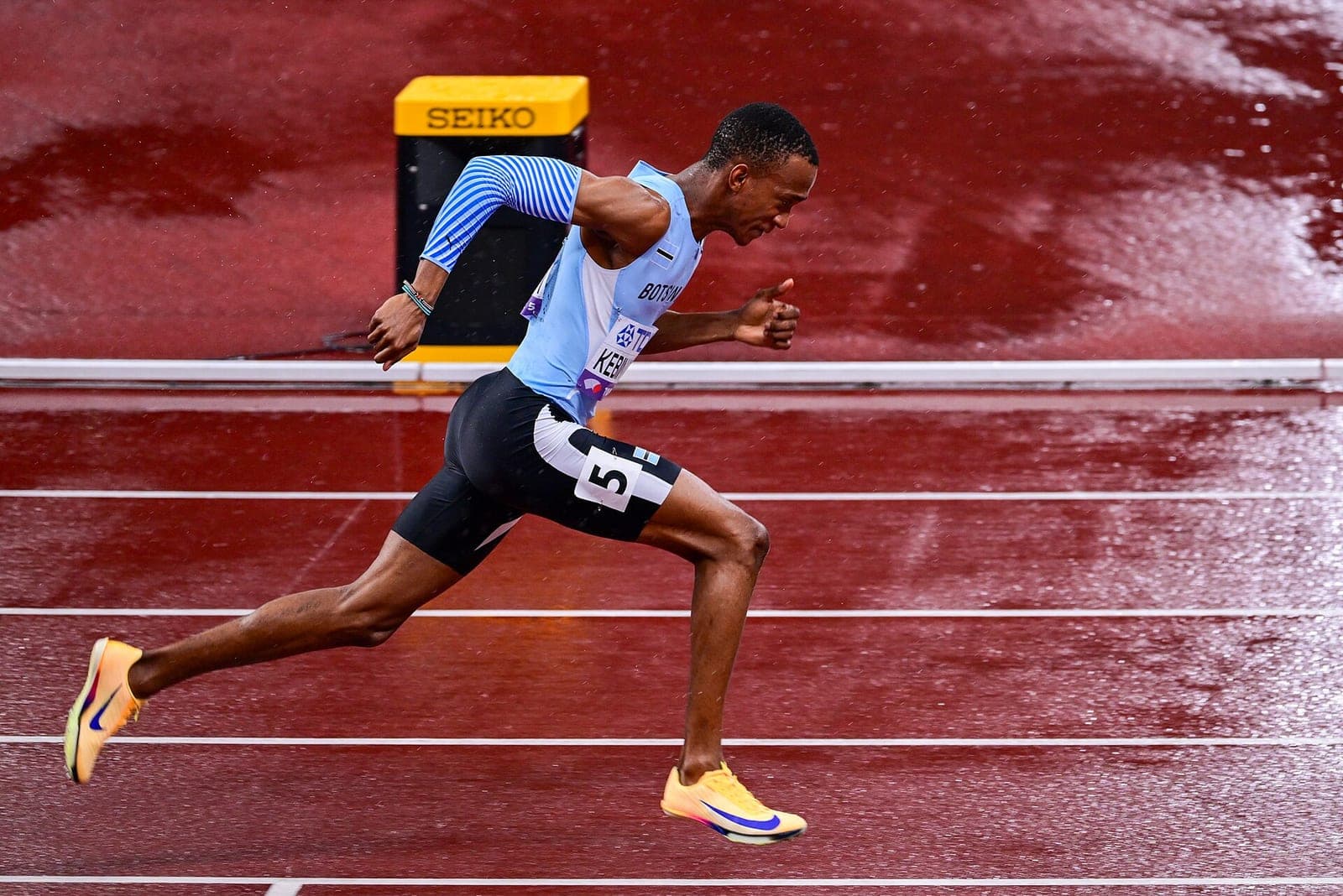
The baton reached Letsile Tebogo with the roar of Gaborone behind him, and he did not waste it. Letsile Tebogo drove down the home straight and brought Botswana across the line in 37.96, a national record and, more than that, a first. For the first time ever, Botswana had qualified a men's 4x100m team for the World Championships.
The race
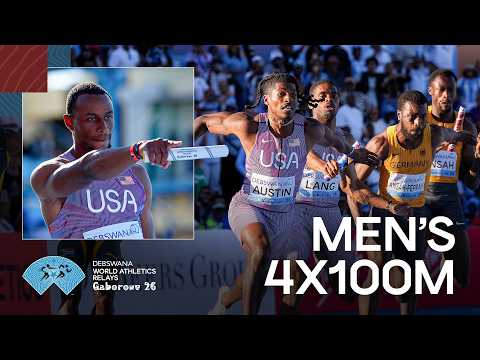
The mark came on the opening day of the Debswana World Athletics Relays in Gaborone, the first global athletics championship staged on Botswana soil. The first day of competition saw records fall and qualifications secured before a home crowd in full support of their nation, with Tebogo charging down the home straight to secure Botswana's automatic place in the men's 4x100m relay. The team, anchored by Tebogo, ran a new national record of 37.96, much to the delight of the home crowd. The number carried its own weight: it booked the ticket to Beijing 2027 outright, without recourse to time-based back doors.
The heat was not run in isolation. The event's established powers were present and fast. Defending champions South Africa were victorious in their heat of the men's 4x100m relay, with Akani Simbine anchoring the team in 37.68. Botswana's answer was to run their own history rather than chase someone else's. The exchanges held; the anchor leg did the rest.
"I knew I couldn't disappoint," Tebogo told reporters afterwards.
The trajectory
The context turns a fast relay into a landmark. Tebogo is Botswana's first Olympic champion, the man who delivered the country its first Olympic gold on the track in Paris, in a season shadowed by the death of his mother. That win was individual, a solitary figure crossing a line for a nation. This one was collective. Where Paris announced a talent, Gaborone announced a programme: a relay squad capable of standing among the best, and doing so at home.
At 22, Tebogo now carries the role of the man others run behind. The progression is visible in the shape of it. First a sprinter from a small village, then an Olympic champion, and now an anchor whose closing metres lift three team-mates onto a global start list for the first time. A national record is a number. What it records here is a threshold crossed by a whole team, in front of the people who raised them.
He came home to run, and left his country somewhere it had never been.