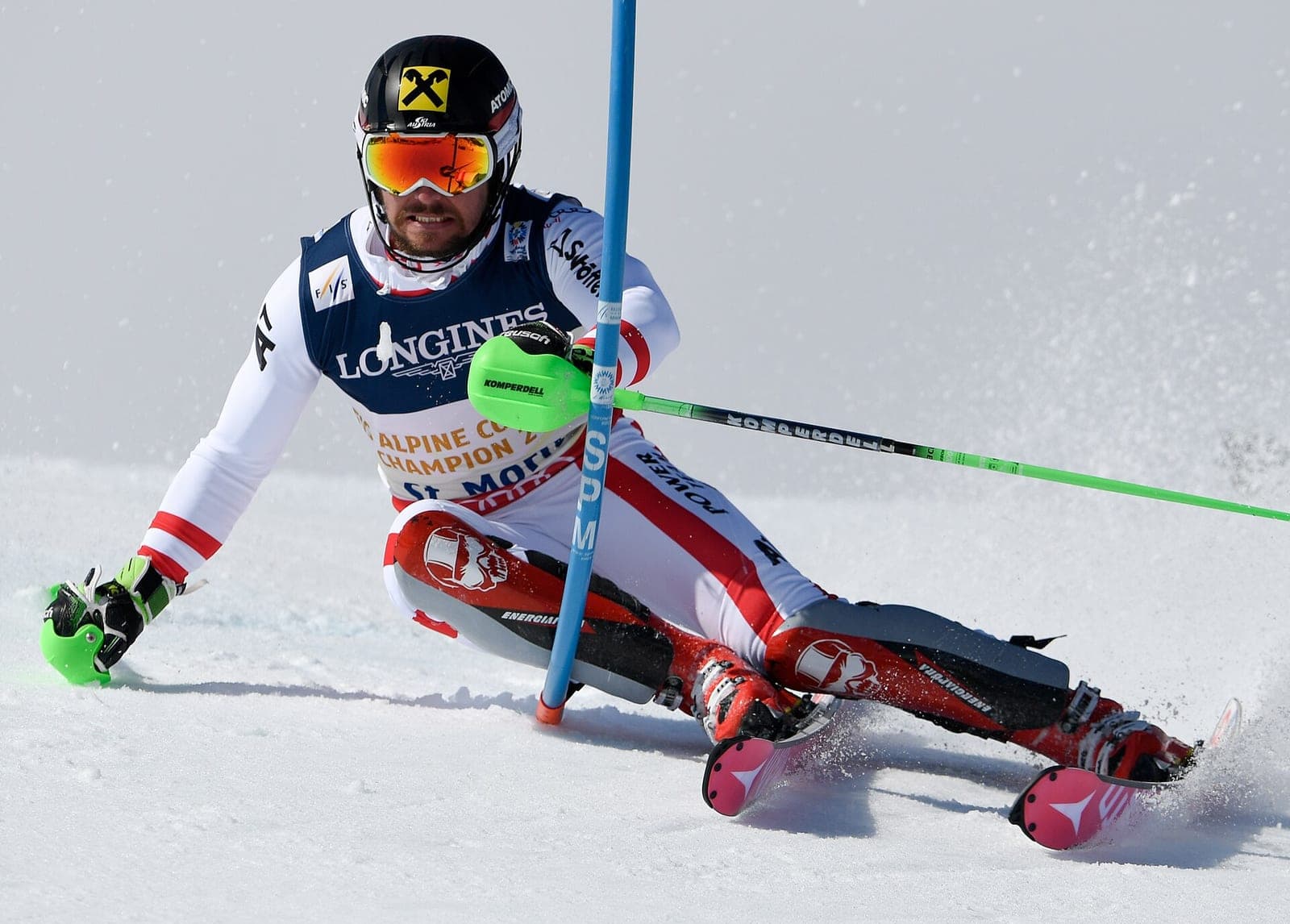
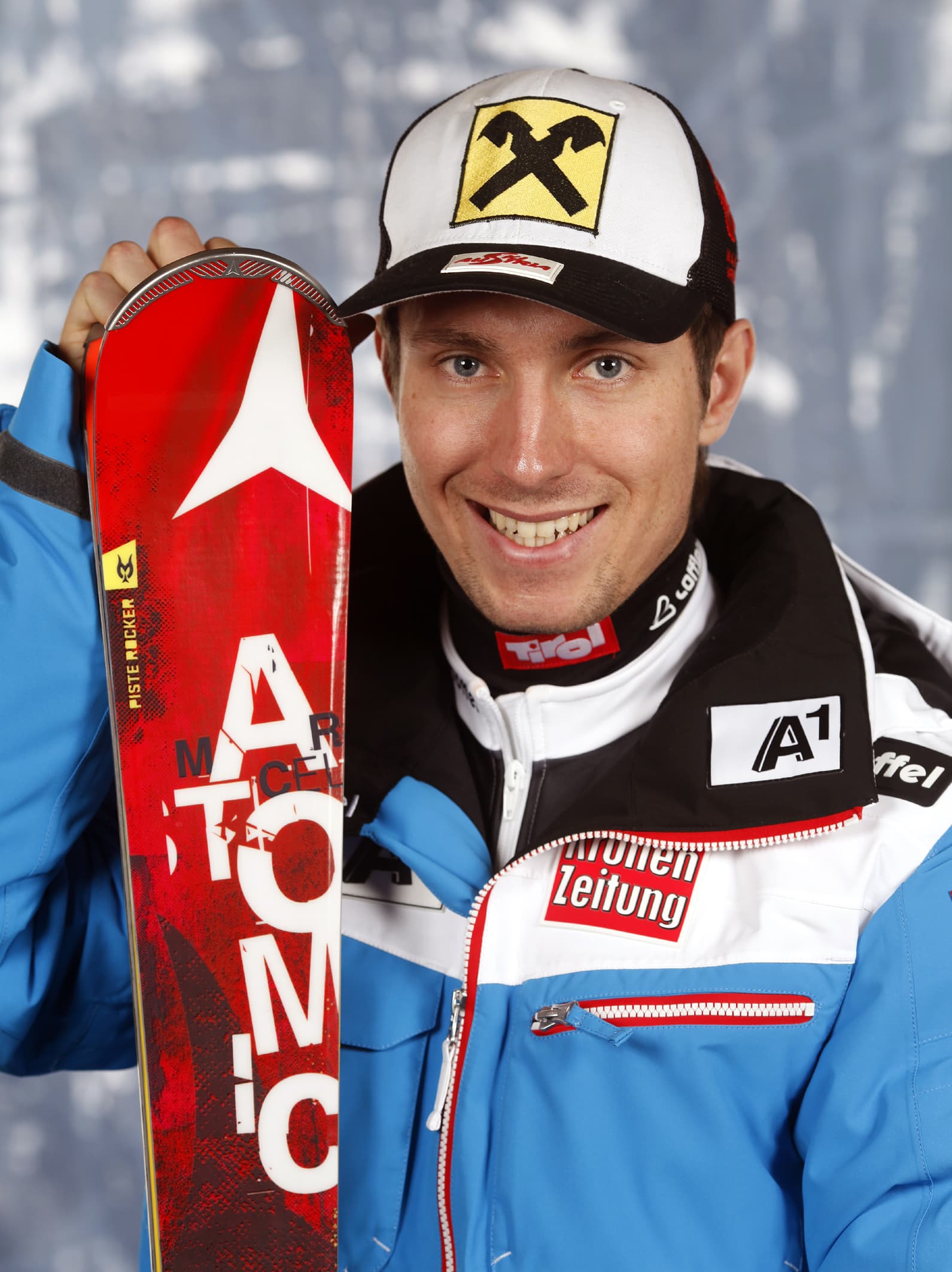
On a September afternoon in Salzburg, Marcel Hirscher stood before eight crystal globes and closed a career that reshaped alpine skiing. He announced his retirement from World Cup racing with 67 victories from 245 starts — the second-most race wins in men’s history behind Ingemar Stenmark.
The final turn, live on Austrian television
The news conference, broadcast nationally on 4 September 2019, ended months of speculation. Hirscher stood beside the eight overall-title trophies he had won in an unbroken streak from 2012 to 2019. "Today is the day on which I will end my active career," he told the cameras flatly.
The decision had solidified in late August. He was 30 years old and had raced 12 World Cup seasons largely uninjured, yet he spoke of a body needing more recovery and a motivation that had shifted after he became a father the year before.
A slope only Stenmark stood above
Those 67 wins placed him between Stenmark’s 86 and Lindsey Vonn’s 82 on the all-time list and made him Austria’s most successful racer ever, eclipsing Annemarie Moser-Pröll’s 62. He also gathered 12 discipline globes — six in slalom, six in giant slalom — alongside seven World Championship golds and two Olympic titles.
Across his final five seasons he averaged nine wins per year, a pace that would have carried him past Stenmark’s record before the 2022 Beijing Games. Instead he stepped away at the summit, declining the statistical chase.
Quiet ambition, outsized return
Hirscher had never expected such a tally. "Where I grew up nobody had done that before," he recalled early in his career. "It would be something you can be proud of and maybe one medal at a world championship. Wow."
Stenmark, the only man ahead of him, described Hirscher’s work with characteristic brevity: "good mentality and good technique." The press conference was not a farewell to skiing — five years later he would return under a Dutch licence — but it froze a record built on precision and an eight-year hold on the sport’s biggest annual prize.