
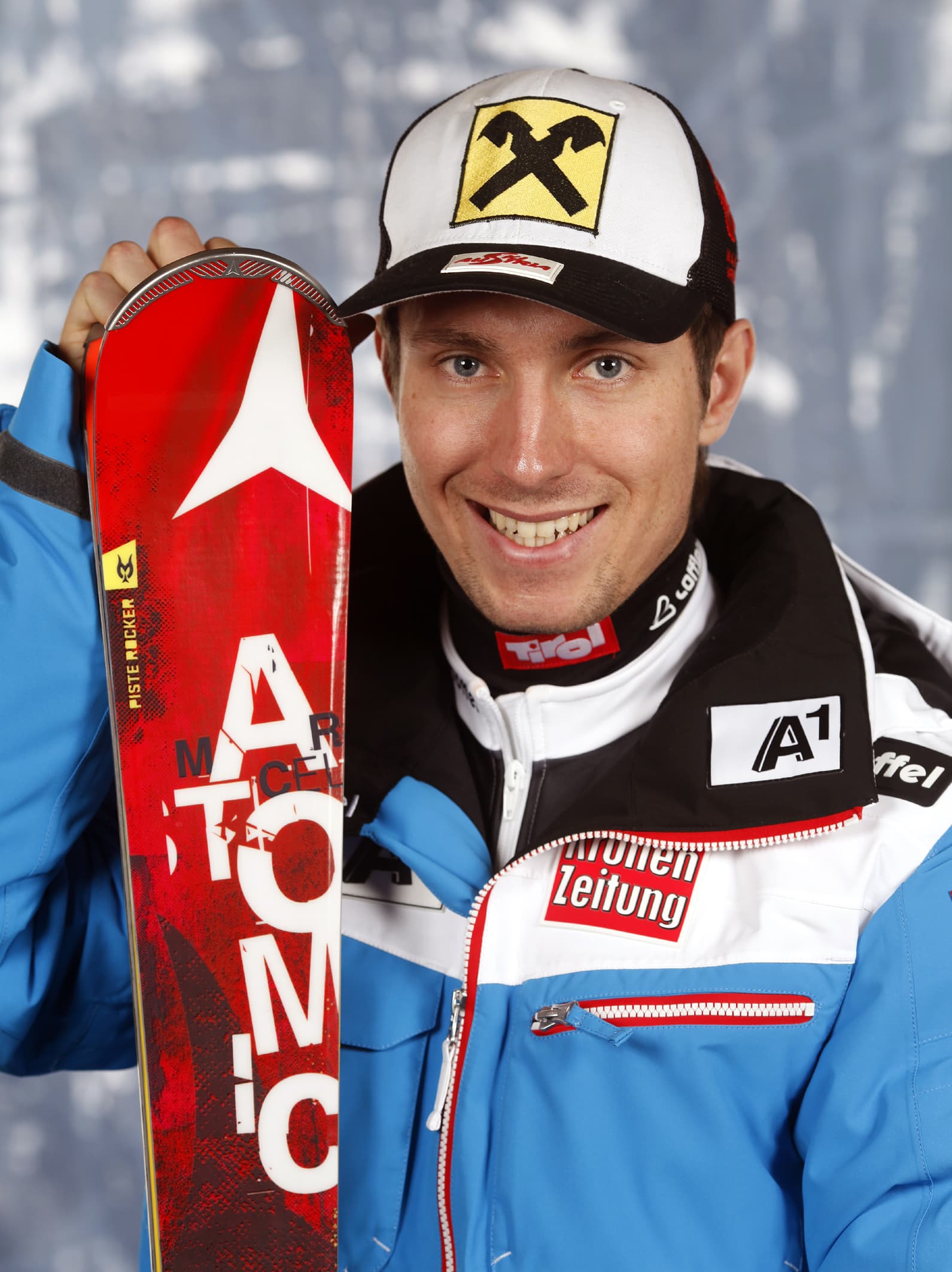
On 13 February 2018, Marcel Hirscher finally claimed the prize that had eluded him through two previous Winter Games. The Austrian won Olympic gold in the men’s alpine combined at the Jeongseon Alpine Centre, prevailing in an event he had barely been able to prepare for.
A downhill gamble in swirling winds
The race opened with a shortened downhill, launched from the super‑G start because gusts still raked the hill. Hirscher, a technical specialist who had fractured his left ankle on 17 August 2017 and spent six weeks in a cast, had managed minimal downhill practice.
Still, he delivered what he called his best downhill run, crossing in 1:20.56 and placing 12th — 1.32 seconds behind Germany’s Thomas Dressen, the early leader. “Being in the top 30 told me and my team that we made the right decision with starting in the combine,” he said.
One slalom run, two French rivals
The slalom leg arrived with ankle‑high blizzards and a field stacked with talent. Dressen faded to ninth, while Hirscher attacked the tight line with the aggression that had already earned him 55 World Cup wins.
His slalom time of 45.96 seconds produced a combined total of 2:06.52. He edged France’s Alexis Pinturault by a bare 0.23 seconds, with Victor Muffat‑Jeandet a further 1.02 back in third.
From a fractured ankle to the top step
Before PyeongChang, Hirscher’s Olympic résumé held only a slalom silver from Sochi. He had already collected six overall World Cup titles and four world championship gold medals — making the Olympic gap a persistent talking point in Austria.
“All the people expected me to win a gold medal,” he told reporters afterwards. “Everyone is saying, ‘Nice career, but an Olympic gold medal is still missing.’ This is perfect.”
The ankle fracture that once threatened an entire season became the preface to the first two Olympic titles of his career.