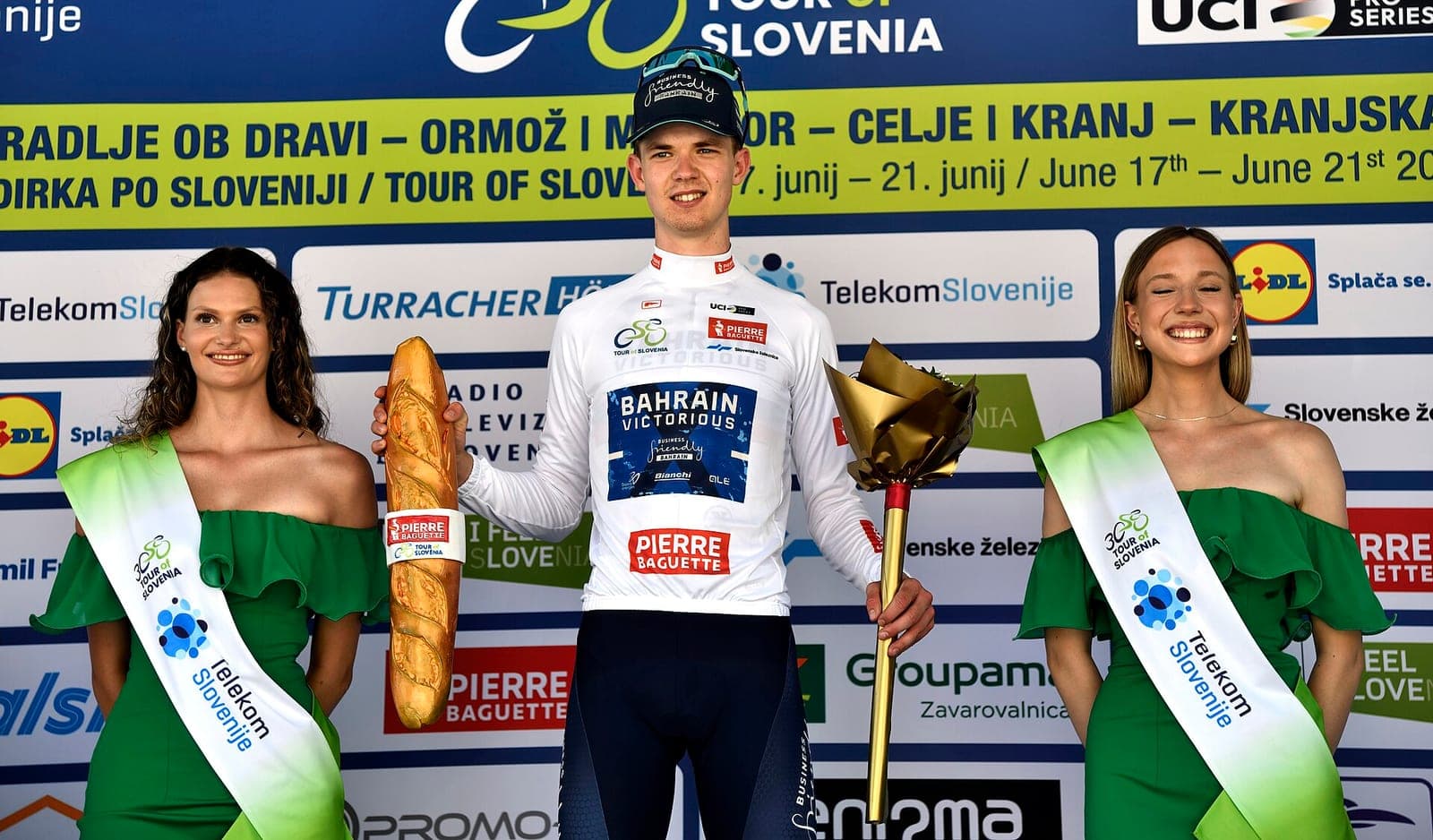
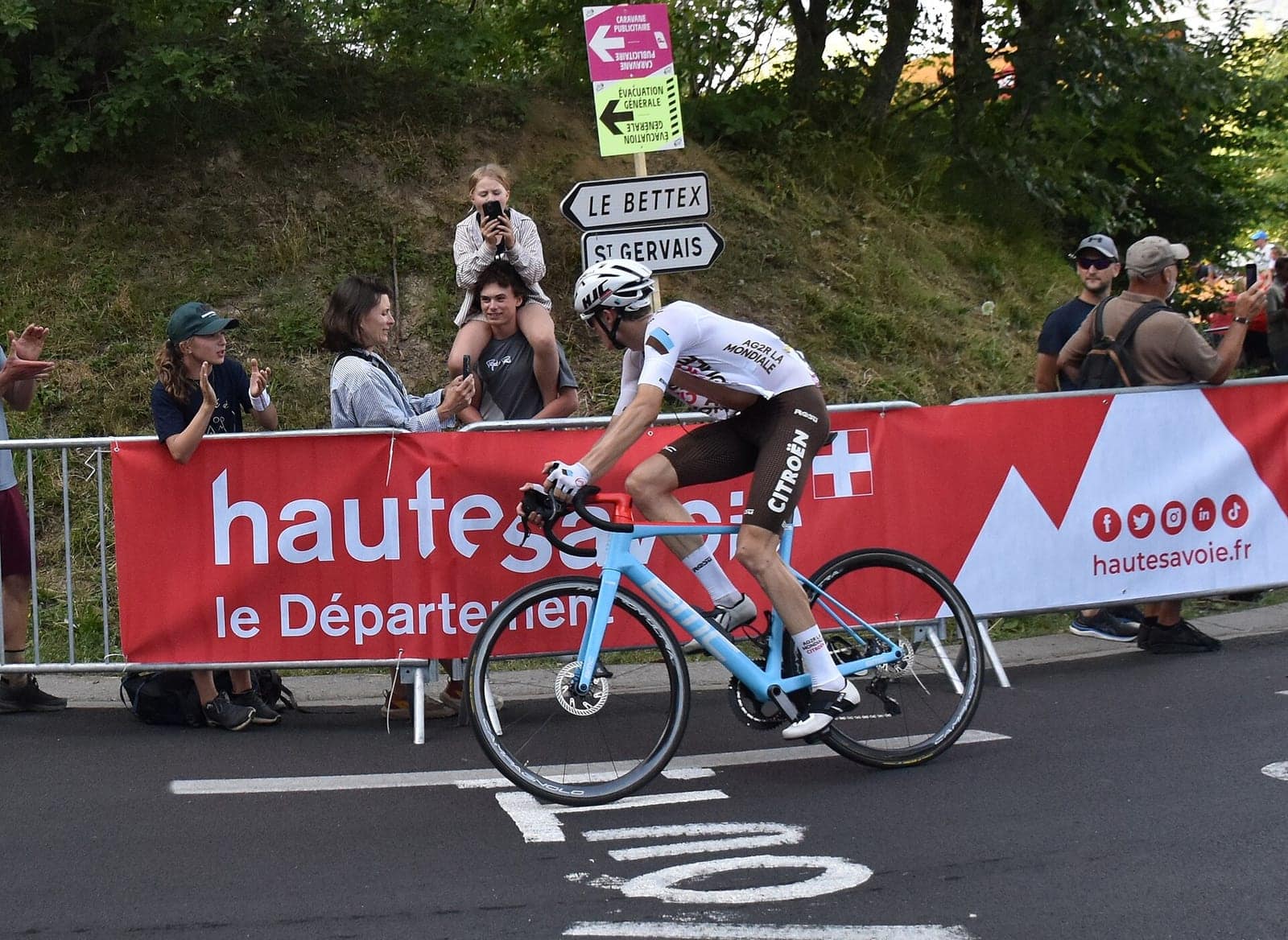
Felix Gall stood on the second step of the podium in Rome on 31 May. Second overall at the Giro d'Italia, and the winner of the Maglia Bianca as the race's best young rider. It is the finest Grand Tour result by an Austrian in the modern era, the highest placing since Peter Luttenberger in 1996.
How the race was decided
The 2026 Giro ran for three weeks and more than three thousand kilometres. The race started on 8 May in Nessebar, Bulgaria, and finished on 31 May in Rome, and it was won by Danish rider Jonas Vingegaard of Visma–Lease a Bike. Gall's second place was built in the mountains, on the days that mattered. He finished second on the summit stages to Blockhaus, Corno alle Scale, Pila, Carì and Piancavallo, each time beaten only by eventual overall winner Jonas Vingegaard. Five times he climbed to the front. Five times one man stood between him and the stage.
The general classification tightened around that single rivalry. Vingegaard took the lead on stage 14, before slowly extending his lead to nearly five and a half minutes. Gall held second through the final week, defending the position against those below him rather than chasing the leader above. Jai Hindley rounded out the final podium at 6:25 down, while Thymen Arensman retained fourth place, 7:02 down. The last day offered no drama. The largely processional stage concluded with a bunch sprint as Jonathan Milan grabbed a stage win, while the GC contenders rolled in safely in the peloton. Gall crossed the line in Rome with the gap unchanged: Vingegaard maintained his 5:22 advantage over second-placed Felix Gall.
A step in the trajectory
This was the largest result of Gall's career to date. Felix Gall emerged from the 2026 Giro d'Italia with the strongest Grand Tour performance of his career, finishing second overall behind Jonas Vingegaard. Two days earlier, after stage 19, he had already sat second, some four minutes down, the best Austrian Grand Tour placing since Luttenberger's own second at the Giro thirty years before. He carried that position home and added the white jersey to it. He recorded five runner-up finishes on summit stages, repeatedly proving himself among the race's strongest climbers without managing to secure a victory.
He spoke plainly of what it meant. "The podium was a major goal leading up to this Giro. The race really went perfectly," he said afterwards. The stage wins did not come. The consistency did, day after day, in the high country where three-week races are settled.
Thirty years after Luttenberger, an Austrian returned to a Grand Tour podium. Felix Gall put himself there.