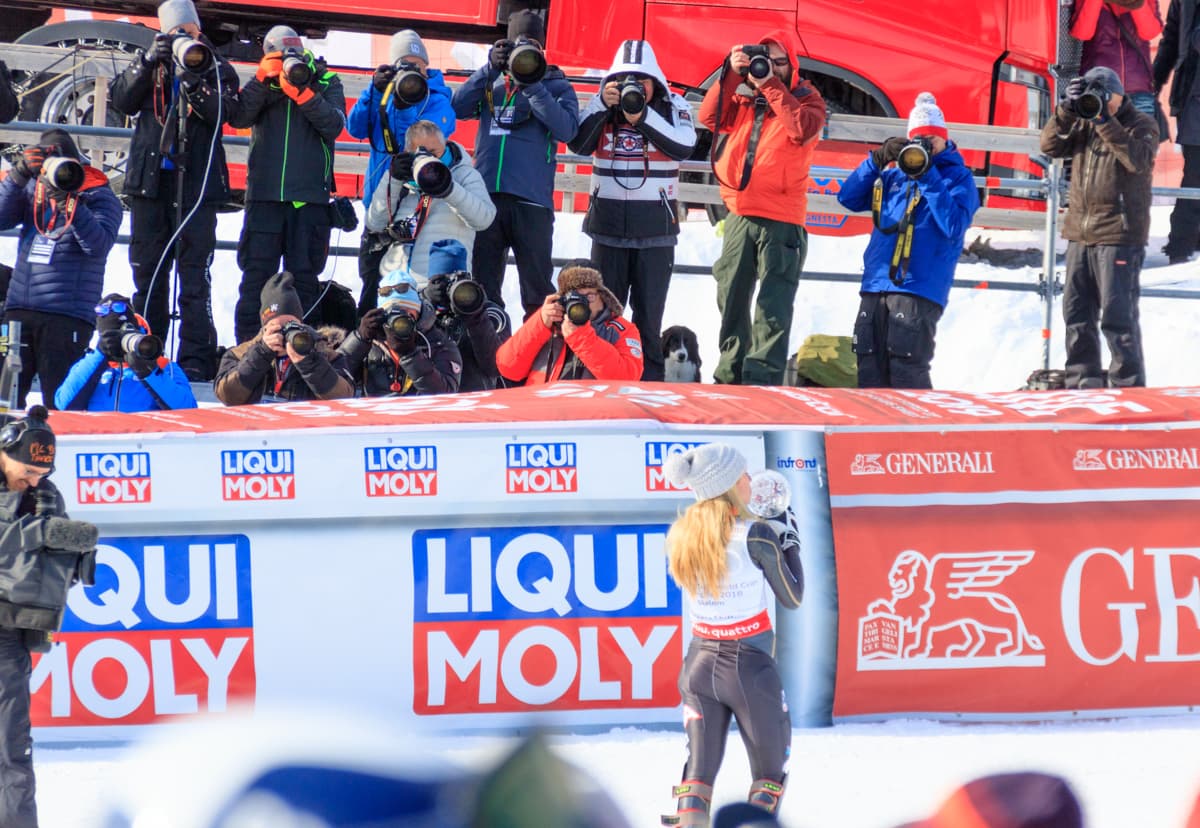

Mikaela Shiffrin won Olympic slalom gold at Milano Cortina 2026 on Wednesday, 18 February, claiming her third career Olympic title — a record for an American alpine skier — and ending an eight-year Olympic gold drought that had stretched back to Pyeongchang 2018.
A run built on ice and control
The race at Olimpia delle Tofane unfolded under sunny skies on icy, responsive snow. Wearing bib 7, Shiffrin took command immediately, posting a first-run time of 47.13 seconds that gave her a 0.82-second lead — the largest opening margin in an Olympic women's slalom since 1960.
A tricky course set triggered 27 did-not-finishes, but Shiffrin skied flawlessly through the traps. She entered the second run with a 1.05-second cushion and, after a cautious start, accelerated through the middle section until she was widening the gap rather than guarding it.
A margin no rival could touch
Her combined time of 1:39.10 defeated Switzerland's Camille Rast by 1.50 seconds and Sweden's Anna Swenn Larsson by 1.71 — the largest victory margin in any Olympic alpine skiing event since 1998. Lena Dürr, who sat second after the first run, straddled the very first gate of her second leg and saw her medal vanish.
The gold stands as her fourth Olympic medal overall and lifts her clear of Ted Ligety and Andrea Mead Lawrence as the only U.S. alpine skier with three Olympic titles. She is now both the youngest and oldest American woman to win Olympic alpine gold.
Nightmares quieted on the final alpine day
The victory arrived after an 11th-place finish in giant slalom and fourth in the team combined at these Games, and followed the DNF-haunted Beijing 2022 campaign. Shiffrin told NBC's Cara Banks afterward, "At some point this week, I just said, like, stop dreaming. Just ski."
Twelve years after her teenage slalom gold in Sochi, the 30-year-old gave the U.S. team a happy ending on a Games overshadowed by Lindsey Vonn's crash. The nightmare that had chased her from Beijing finally ran out of snow.