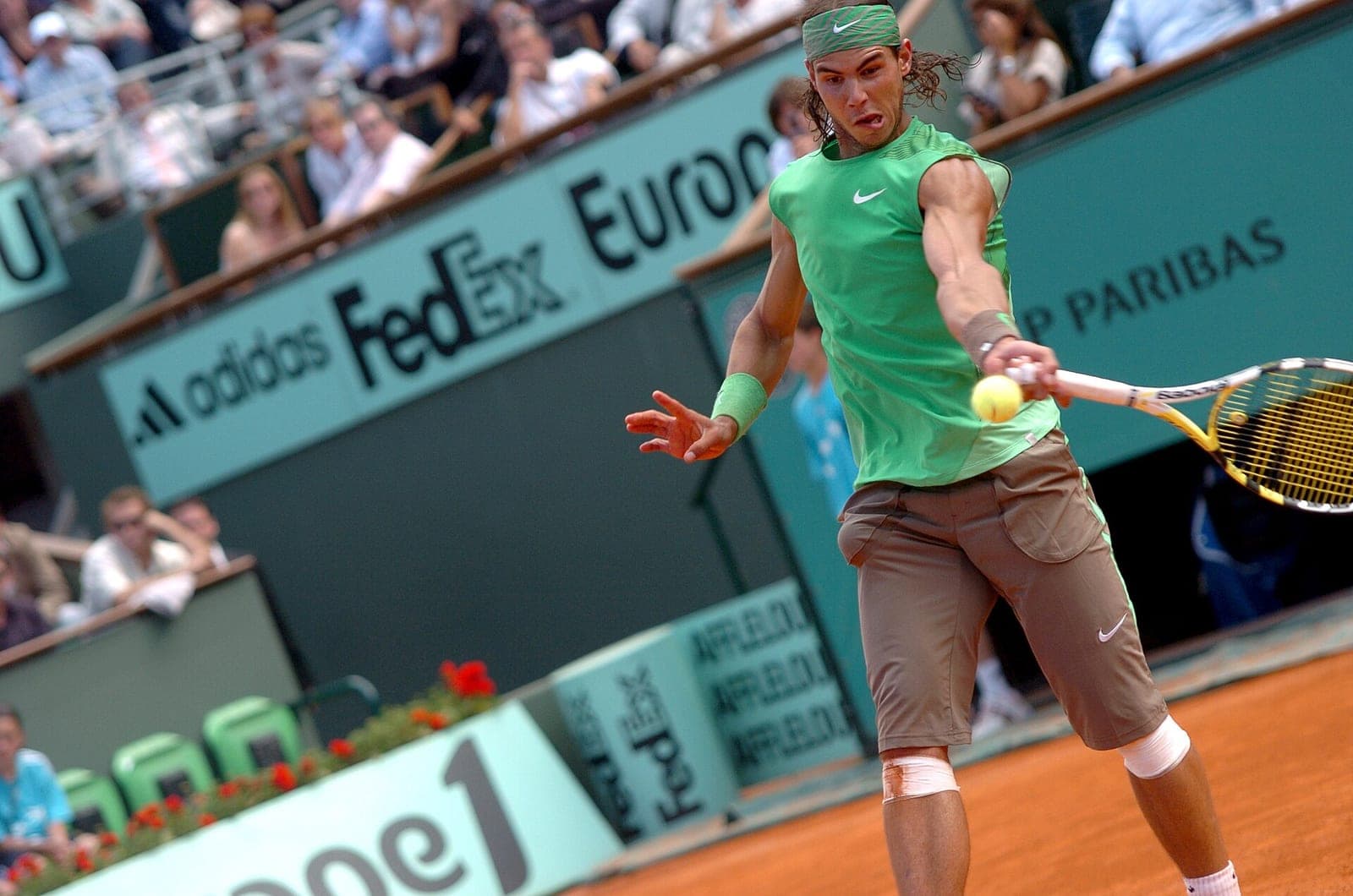
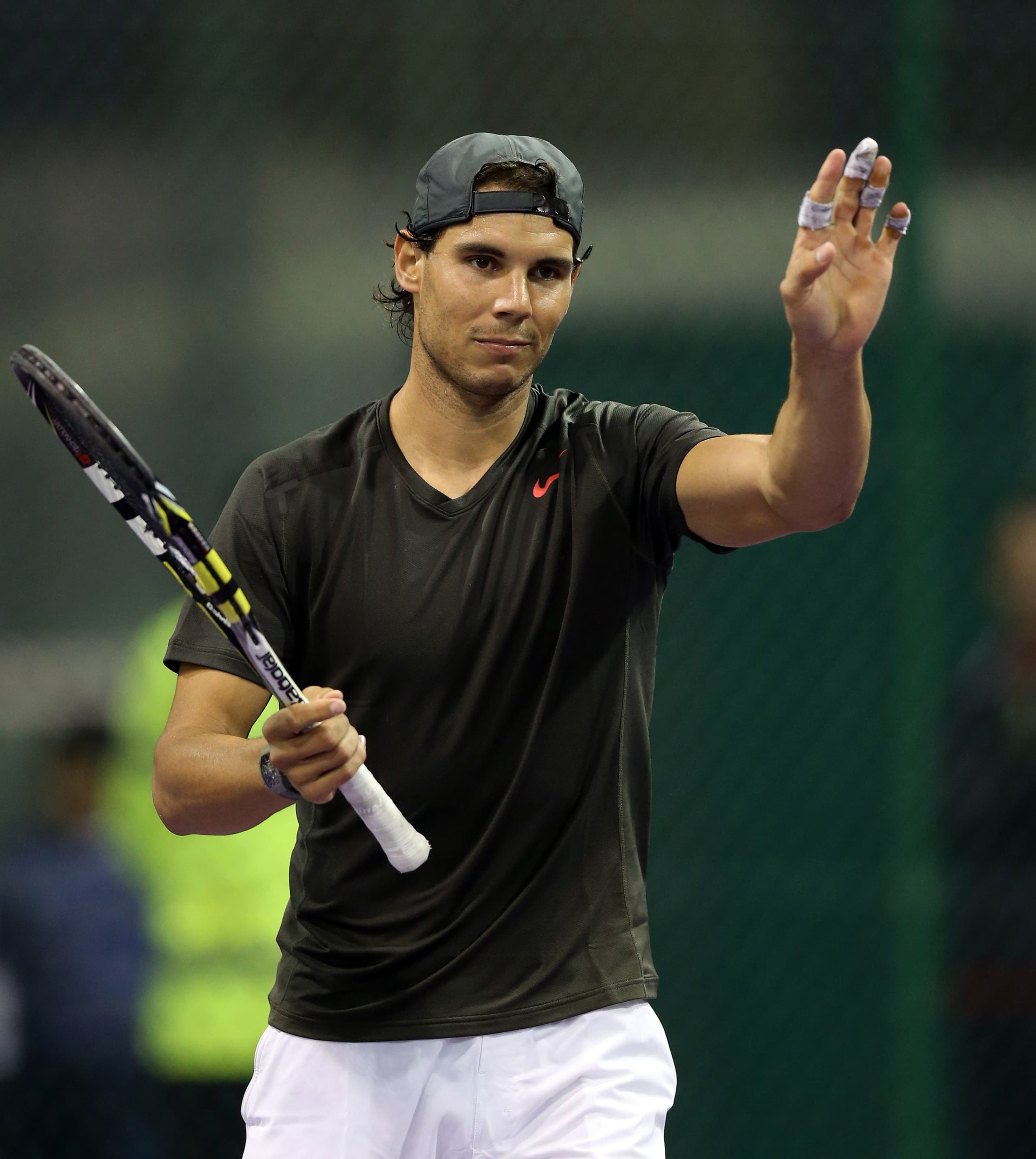
The professional career of Rafael Nadal ended on a hard court in Malaga, not with a trophy but with a 6-4 6-4 defeat to Botic van de Zandschulp of the Netherlands. It was 19 November 2024, a Davis Cup Finals quarter-final, and the 38-year-old Spaniard stepped onto court for the last time wearing his country's colours.
A red-and-yellow arena and one last sprint
The Martín Carpena Arena held thousands of Spanish supporters draped in flags and scarves. Nadal's eyes welled during the national anthem before his familiar sprint to the baseline signalled intent.
Van de Zandschulp broke serve late in the opening set. Nadal, having played only eight official tournaments that season, began to look a step off the pace as a double break in the second set pushed the Dutchman to the brink.
A final forehand into the net
Nadal clawed one break back and forced his opponent to serve for history. The last point came when he netted a forehand, then waved and blew kisses to the crowd. “We close the circle,” he said later, his first Davis Cup singles loss in 2004 matched by his last.
Five Davis Cup titles and a career Golden Slam
That symmetry framed a Davis Cup story stretching across five titles with Spain, starting with the 2004 final in Seville where an 18-year-old Nadal defeated world No. 2 Andy Roddick. By retirement his numbers stood stark: 1,080 singles wins, 22 Grand Slam titles, 14 French Open crowns and 209 weeks at world No. 1.
Yet at the ceremony Nadal offered a different marker. “The titles, numbers, they're there,” he told the crowd. “The way I'd like to be remembered more is like a good person from a small village in Mallorca.”
The decider ends Spain's run
Carlos Alcaraz levelled the tie by beating Tallon Griekspoor, forcing a deciding doubles rubber. Van de Zandschulp then partnered Wesley Koolhof to defeat Alcaraz and Marcel Granollers in straight tie-breaks, sending the Netherlands through.
Nadal's run in national colours opened and closed on the Davis Cup stage. Van de Zandschulp, the last man to face and beat him, called it simply “a really special event.”