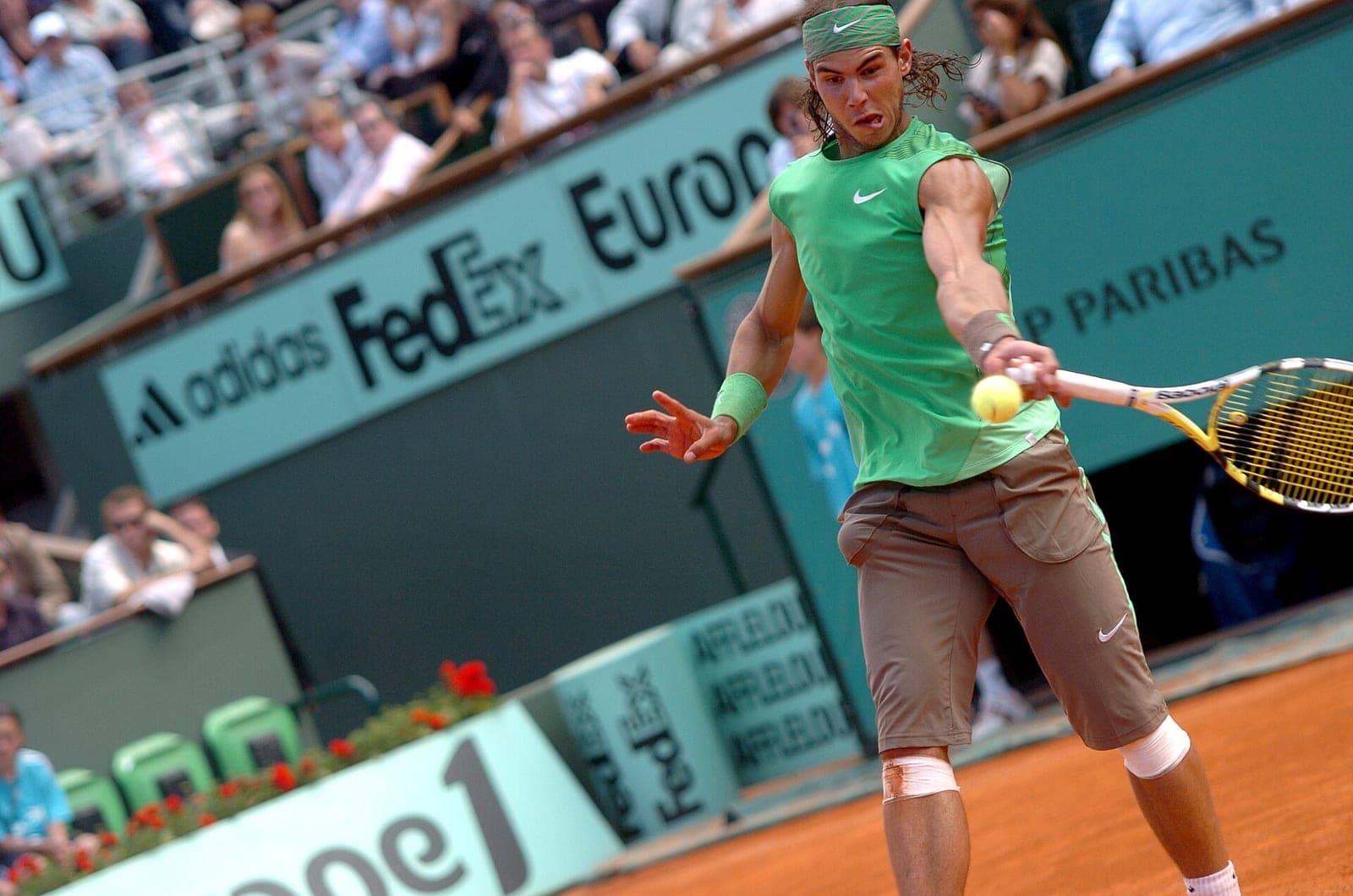
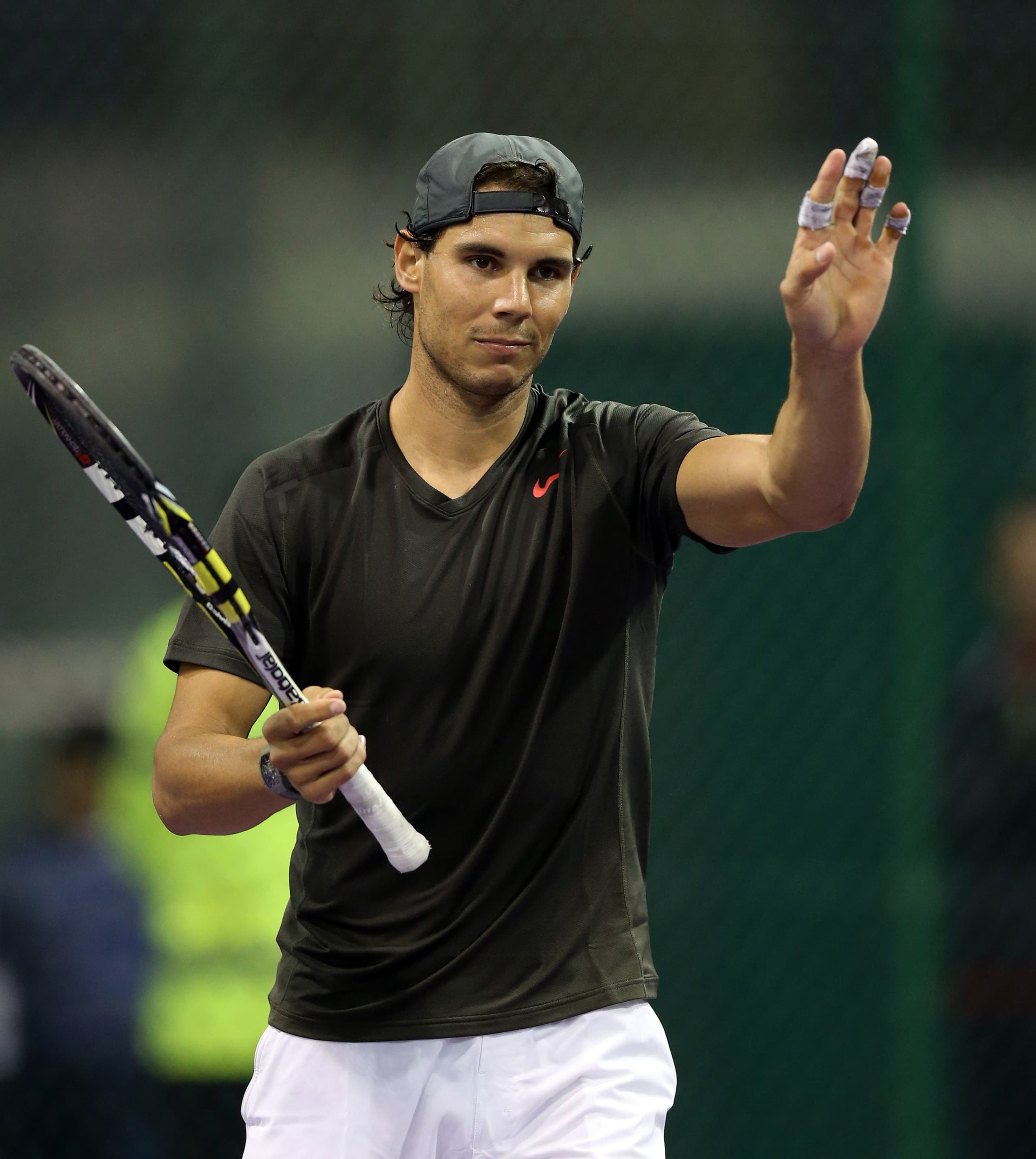
On 17 August 2008, Rafael Nadal of Spain defeated Chile’s Fernando González 6–3, 7–6(7–2), 6–3 to win the Olympic men’s singles gold medal at the Beijing Games. The victory, his first on an Olympic court, arrived six weeks after his maiden Wimbledon title and completed a golden summer.
A tiebreak that decided the gold
González, the first man in almost ninety years to reach back-to-back Olympic singles finals, held firm early on the Green Tennis Centre’s DecoTurf hardcourt. But Nadal grew into the match and broke serve to take the opening set.
The second set tightened into a tiebreak. Nadal dominated it, losing only two points, then closed the third set with the same clean margin to seal the gold in straight sets.
Djokovic, the door Nadal had to force open
The tournament’s real pivot came a day earlier in the semifinals. Nadal outlasted Novak Djokovic 6–4, 1–6, 6–4 in a grueling contest that tested both men’s endurance on the Beijing hardcourts.
Roger Federer, the top seed, had already been upset by James Blake in the quarterfinals. With his oldest rival removed from his path, Nadal still had to produce a final push, and he delivered it without dropping a set.
From No. 2 to the summit, at last
The gold completed the third piece of a career Golden Slam, following his French Open and Wimbledon titles that same year. “I know how difficult it is to win these things, and especially here, because you only have one chance every four years,” he told reporters after the ceremony.
One day later, Rafael Nadal became world No. 1 for the first time, ending Roger Federer’s record streak of 237 consecutive weeks at the top. The Majorcan had spent 160 weeks waiting at No. 2. That wait was finally over.
On a surface far from his clay kingdom, the gold stood as proof that his dominion had no surface after all.