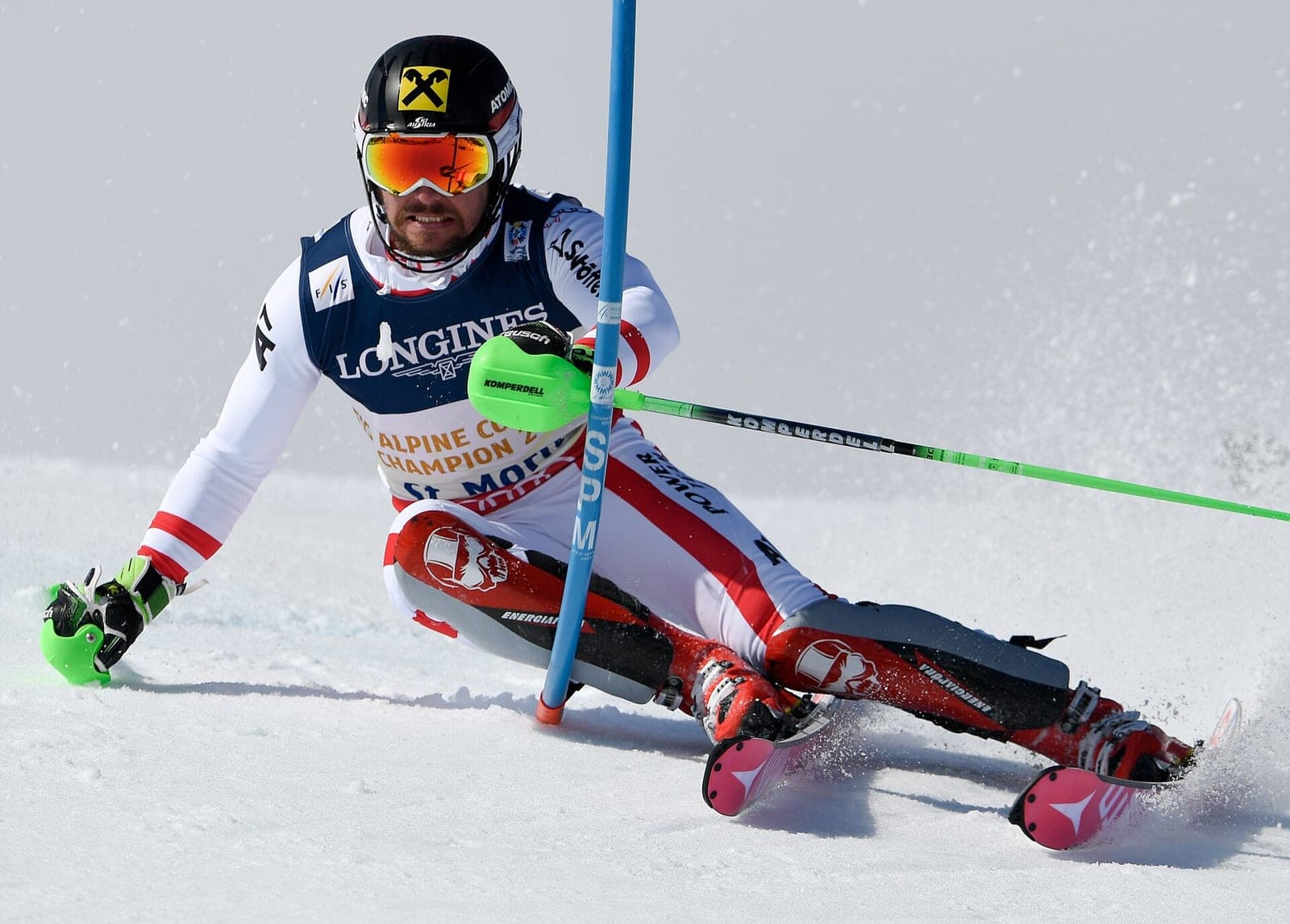
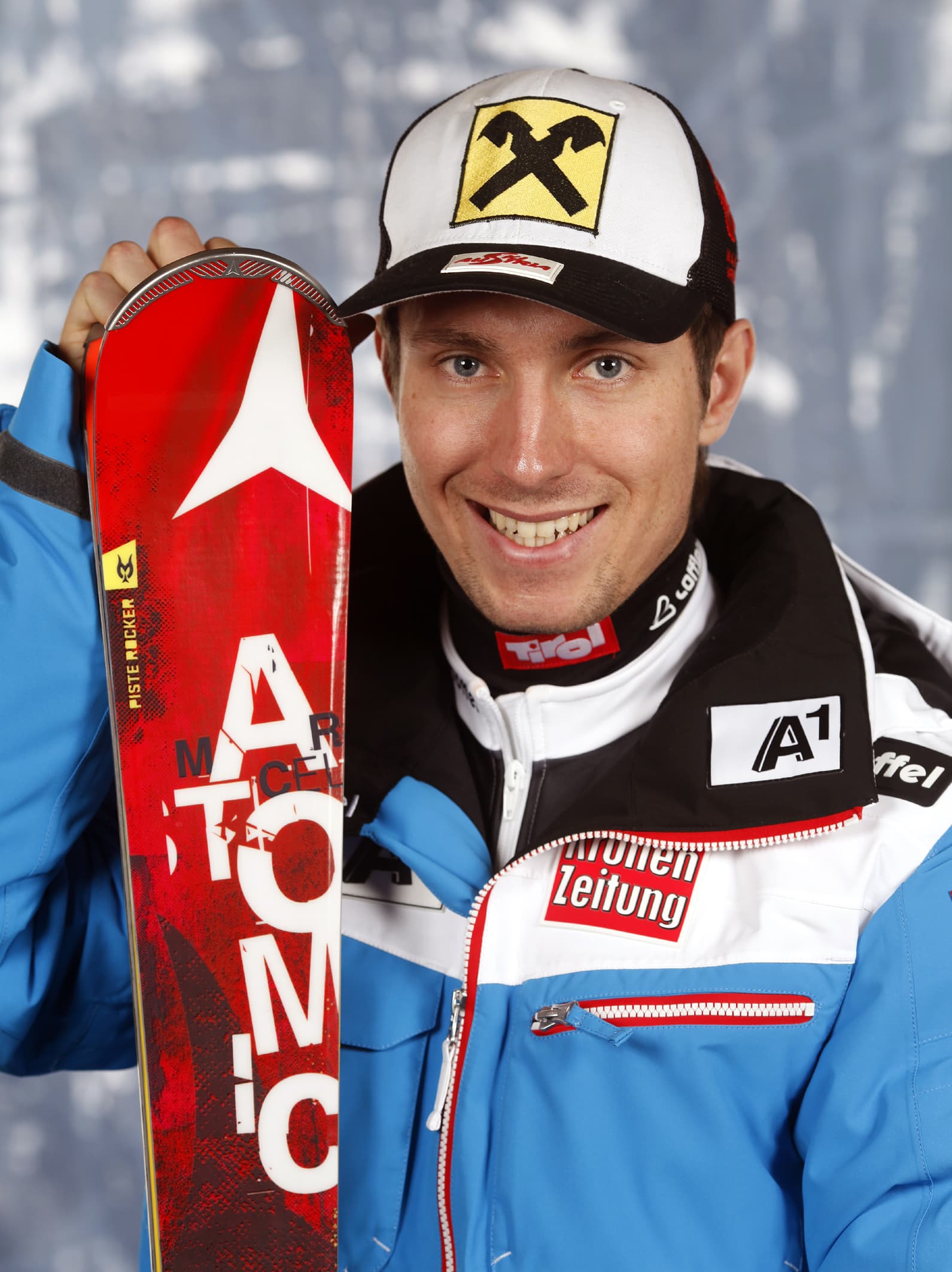
Marcel Hirscher won the Olympic giant slalom title at Pyeongchang 2018, delivering a victory margin of 1.27 seconds — the largest in the discipline at an Olympic Games since 1968.
Two runs, no doubt
Hirscher arrived as the heavy favourite and the FIS top-ranked giant slalom skier. He laid down a commanding first run, then stretched his advantage with a near-flawless second descent on a course increasingly touched by mid-race fog.
Henrik Kristoffersen of Norway climbed from tenth in the morning with the fastest second-run time. Still, partway down the hill it was clear he could not close the gap, and Hirscher took gold with a combined time of 2:18.04. France’s Alexis Pinturault took bronze.
From a broken ankle to Olympic domination
The win came five days after Hirscher’s first Olympic crown, in the alpine combined at the same Games — an event he entered with minimal downhill training after fracturing his ankle in pre-season. He became the first man ever to claim Olympic gold in both giant slalom and alpine combined at a single Winter Games.
At that moment he already held six world championship titles across four disciplines, 55 World Cup race victories, and a record six consecutive overall World Cup crowns. The giant slalom medal cemented a Pyeongchang fortnight that transformed an already glittering career into an historic Olympic statement.
A margin from another era
No Olympic giant slalom had been decided by a gap this wide since Jean-Claude Killy took gold by 2.22 seconds at Grenoble 1968. The parallel connects Hirscher’s crisp, controlled skiing to a benchmark from the sport’s classic age.
In a fortnight shaped by winds that postponed other alpine races, Hirscher simply carved through every invitation the mountain offered.