On the evening of 22 August, Karel Sabbe reached the Atlantic at Hendaye and set a new fastest known time on the HexaTrek. The Belgian ultrarunner covered the 3,034-kilometre trail across France in 33 days, 13 hours and 48 minutes. He took more than eight days off the previous best mark.
A crossing from the German border to the Basque coast
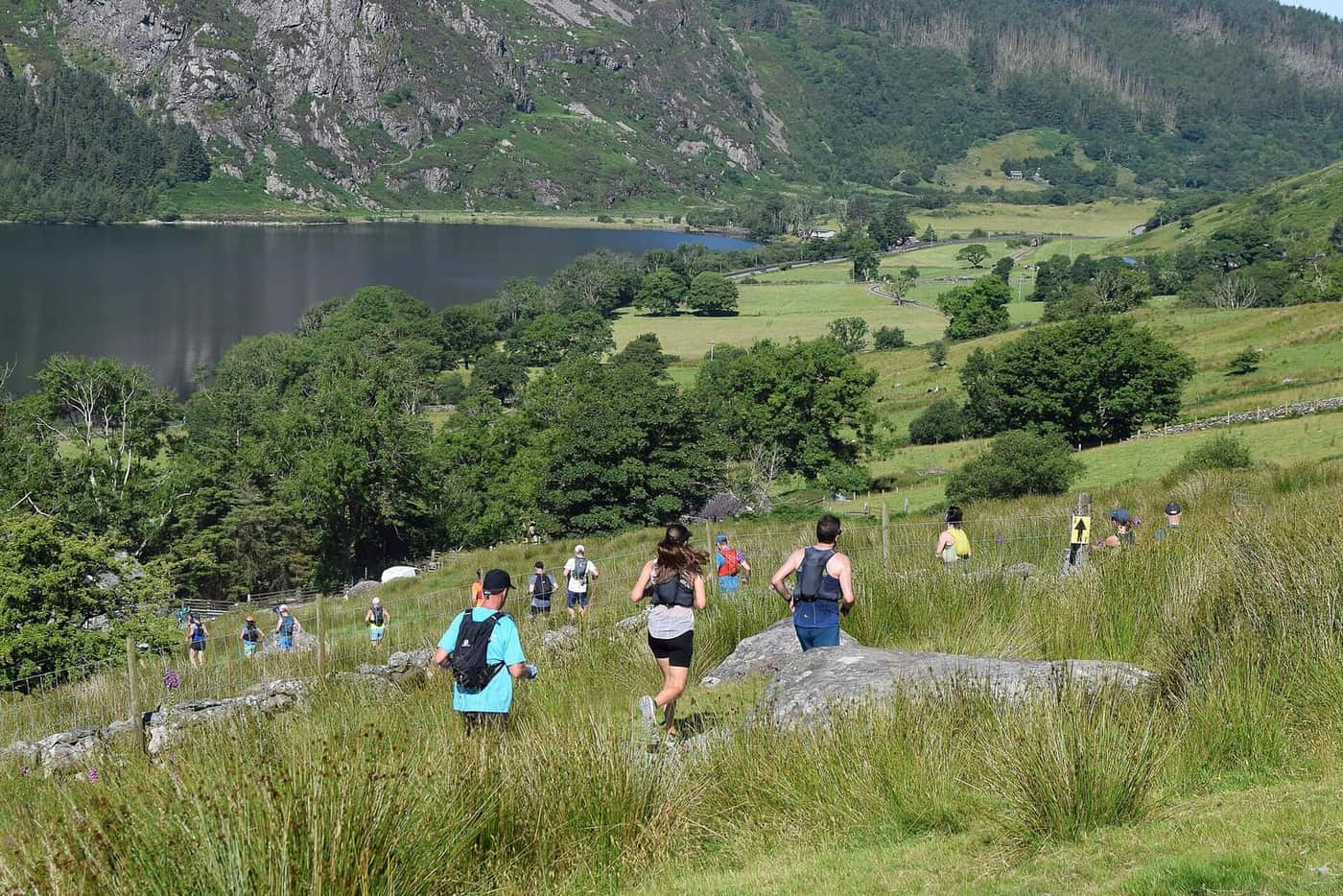
Sabbe left Wissembourg in Alsace on 20 July and traced the route through 14 natural parks. The HexaTrek links the Vosges, Jura, Alps, Massif Central and Pyrenees, piling up roughly 140,000 metres of climbing. He ran the whole line northeast to southwest and finished on the Spanish border.
A record cut by more than a week
The old mark belonged to Frenchman Thierry Danzin, who finished in 42 days, 4 hours and 23 minutes in 2025. Sabbe’s run carved about eight days and 14 hours off that time. A brief medical alert early on forced him into one slow day of just 40 kilometres, yet his daily average stayed above 90 kilometres.
His longest stage reached 116 kilometres with 5,714 metres of climbing. Sabbe ran the HexaTrek in a supported style, with a small crew of relatives handling resupply and pacing parts of the route. His tracker showed steady progress all the way to the southwestern end of the country.
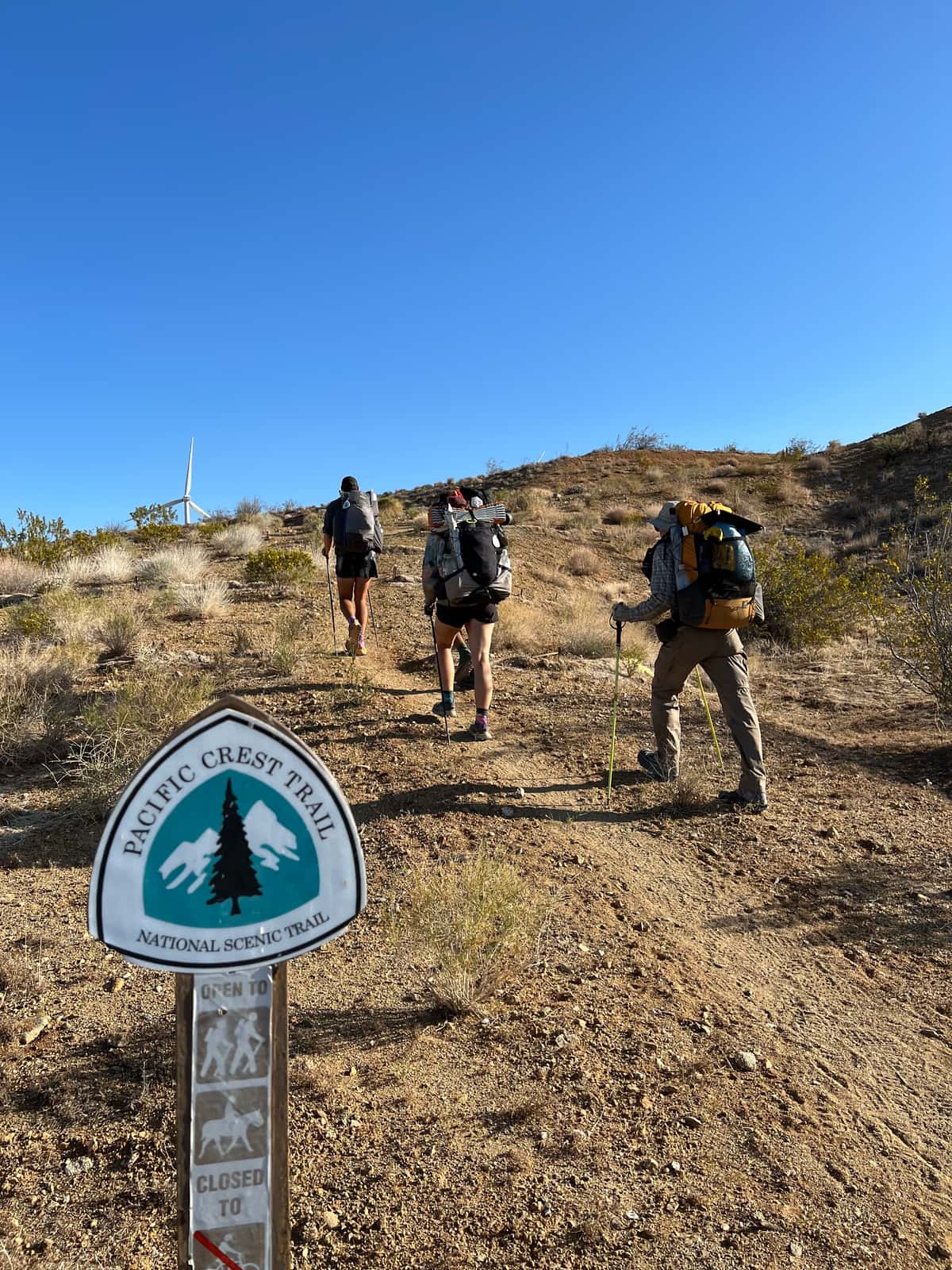
The Belgian, a dentist by profession, already held long‑distance records on the Pacific Crest Trail, the Appalachian Trail, the Via Alpina and New Zealand’s Te Araroa Trail. In 2023 he also became one of the few finishers of the Barkley Marathons. The HexaTrek adds a European classic to that collection.
Sabbe stepped off the trail at Hendaye having met the goal he set a month earlier: to bring the record under 33 days. The crossing leaves him with little left to prove on the great hiking routes, just a quiet confirmation that the biggest lines still bend to steady, unflashy endurance.