The crack of the bat echoed through Yankee Stadium on the final day of September 1927. Babe Ruth had just driven a low fastball from Washington Senators left-hander Tom Zachary into the right-field bleachers for his 60th home run of the season — a mark no player had ever reached before.
A low fastball, an eighth-inning lead
The Yankees trailed 2-1 in the bottom of the fourth before Ruth began turning the game. He singled and scored the tying run in the sixth. Then, with one out in the eighth and Mark Koenig standing on third after a triple, Ruth stepped in to face Zachary.
The count ran to 1-1. Zachary delivered a low fastball, and Ruth sent it roughly ten rows deep down the right-field line. The two-run shot gave New York a 4-2 lead they would hold to the finish. It was his 17th home run of September alone — a monthly record.
From 59 to sixty, a mark for 34 years
Ruth had set the previous single-season standard of 59 in 1921, a number he once doubted he could surpass. That record stood until this afternoon in the Bronx. Sixty would remain the summit until Roger Maris hit 61 for the same Yankees in 1961, surviving 34 years as the sport's most celebrated power figure.
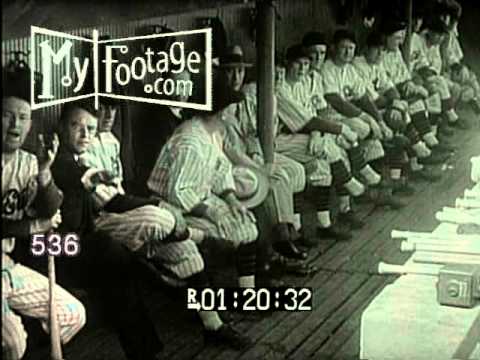
The 1927 Yankees were known as “Murderers’ Row.” They finished 110-44 and swept the Pittsburgh Pirates in the World Series. Ruth’s teammate Lou Gehrig added 47 home runs that season, though no one in the lineup could match what the left-handed slugger accomplished on this grey autumn day.
Earlier in the season, Ruth had told reporters about his 1921 mark: “I don’t suppose I’ll ever break that record. To do that, you’ve got to start early, and the pitchers have got to pitch to you.” He proved himself wrong with two games still left on the schedule.
The same afternoon carried a quieter milestone. With the Senators down to their last out, player-manager Bucky Harris sent 21-year veteran Walter Johnson to pinch-hit. Johnson lifted a fly ball to Ruth in right field and walked into retirement. One icon closed his career while another rewrote the record book.