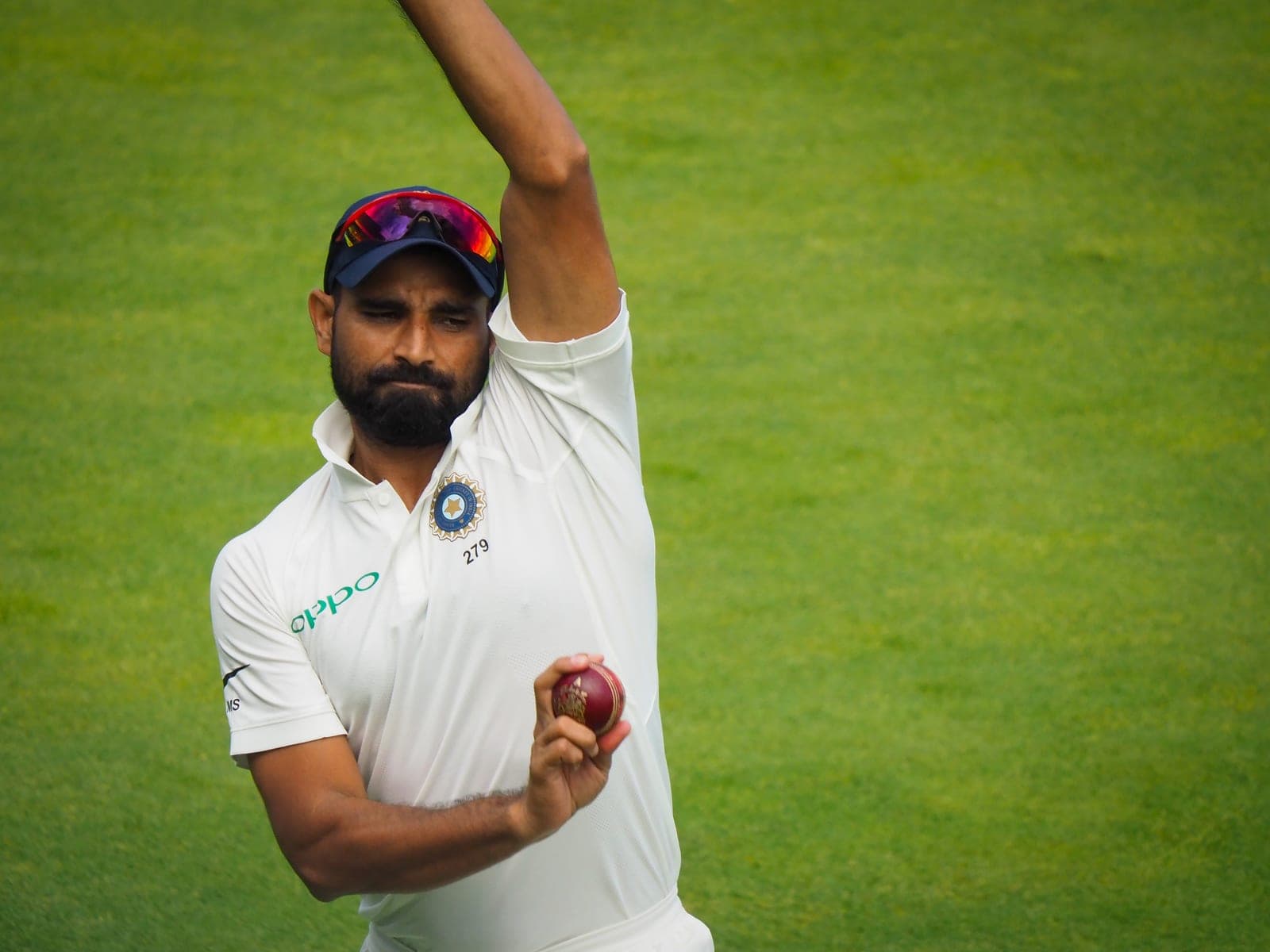
Manav Suthar walked to the crease with the ball on the second afternoon in New Chandigarh and left it three days later as the author of the biggest win in India's Test history. On debut. Six for thirty-three.
The margin tells the scale. The innings-and-300-run triumph is India's largest victory in Test cricket history, surpassing the previous record of an innings and 272 runs against the West Indies in Rajkot in 2018. The performance at its centre tells the story. Making his Test debut, the 23-year-old from Rajasthan was the standout performer, claiming 6/33 in the first innings and adding another wicket in the second to finish with match figures of 7/62.
The debut
India set the frame with the bat. India's dominance began with the bat after they were asked to bat first. KL Rahul and captain Shubman Gill struck commanding centuries, while Sai Sudharsan, Rishabh Pant and Washington Sundar contributed valuable half-centuries. The hosts eventually declared on a massive 564/8, putting Afghanistan under immediate pressure.
Then Suthar took the game. Afghanistan never looked comfortable against Suthar. Bowling with impressive control and consistency, the left-armer repeatedly landed the ball in the right areas and extracted turn and bounce to trouble the visitors. The visitors had no answers to India's spin attack and were bowled out for 152 in their first innings, conceding a huge 412-run lead. Following on, they fell apart a second time. Washington Sundar starred with 4/36, while Kuldeep Yadav picked up 3/30 as the visitors were dismissed for 112 in just 35.5 overs. India finished it midway through the third day.
The line it belongs to
Numbers place this debut among the rare ones. His figures of 6/33 made him only the 10th Indian bowler and seventh Indian spinner to claim a five-wicket haul on Test debut. The 23-year-old registered the best bowling figures in an innings on Test debut by an Indian in 38 years. The last Indian to better that mark in his debut Test innings was Narendra Hirwani, who produced a legendary performance against the West Indies in Chennai in 1988, claiming 8/61 and later finishing the match with 16 wickets.
The timing carries its own weight. His performance not only set up India's crushing win but also strengthened his case as a potential long-term successor to Ravindra Jadeja in the Test side. With Ravichandran Ashwin retired and Jadeja in the latter stages of his Test career, Suthar's emergence could not have come at a better time for Indian cricket. A domestic bowler for Rajasthan one week; a record-holder the next.
He arrived without a Test cap and left with one worn into the record books.