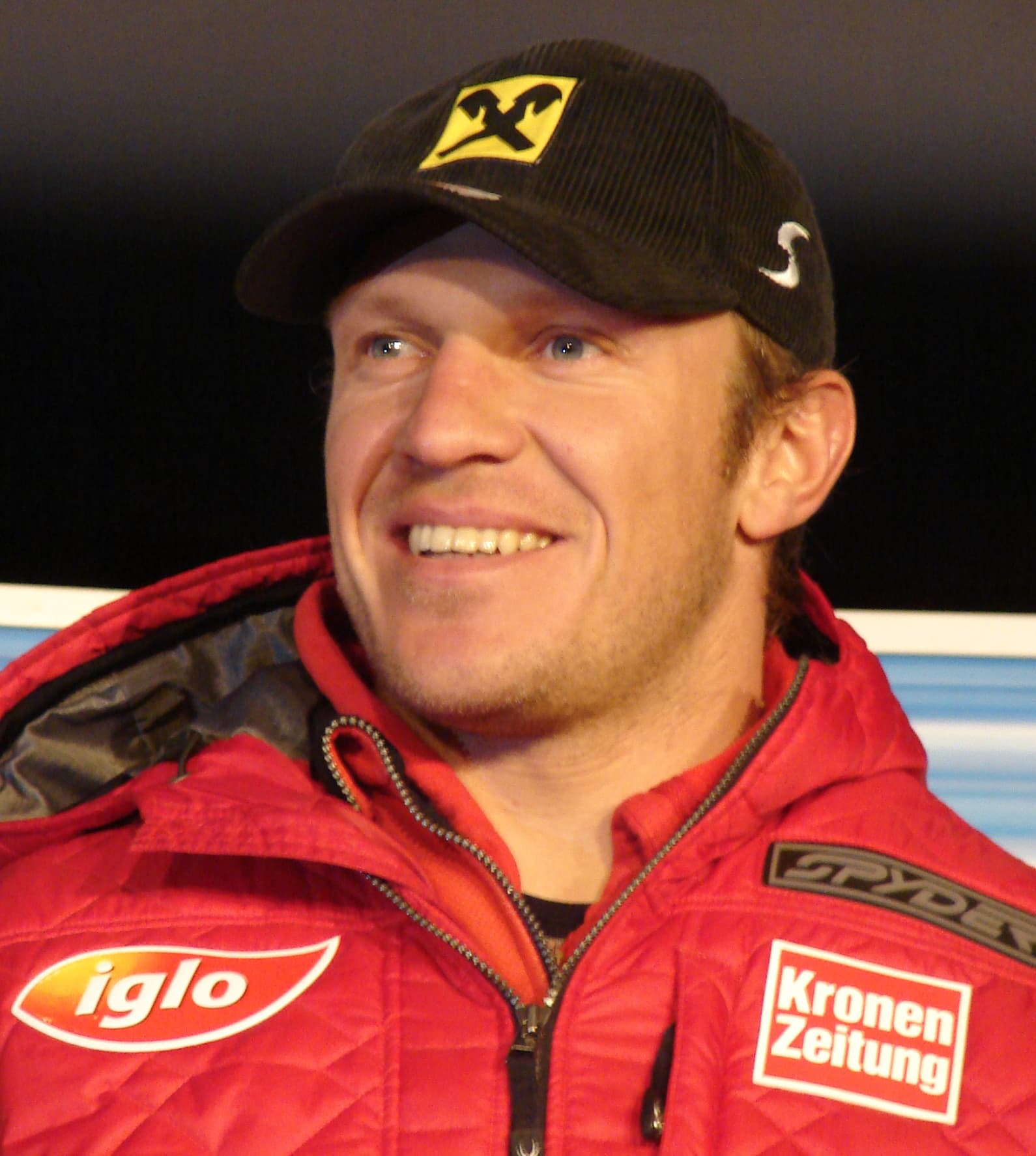
At the Sestriere hill in February 2006, Hermann Maier already had two Olympic golds behind him. He left the Turin Games with two more medals — a super-G silver and a giant slalom bronze. He earned them at 33.
Silver by thirteen hundredths in the super-G
The super-G ran on 18 February on the Kandahar Banchetta piste. The course dropped 650 metres from a start at 2,536 metres, over a length of 2.325 kilometres. At the gate the sky was mostly cloudy, the temperature −6.5°C and the snow packed.
Kjetil André Aamodt won in 1:30.65 and held on to his title. Maier crossed in 1:30.78, just 0.13 seconds back. Ambrosi Hoffmann of Switzerland took bronze at 0.33.
Bode Miller, the season rival, did not finish. For Aamodt it was a third Olympic super-G win and an eighth Olympic medal. Through 2018 it remained the only successful title defence in a men's Olympic speed event.
Two days later, an all-Austrian podium in the giant slalom
The giant slalom followed on 20 February, across two runs and 82 racers from 46 nations. It rewards manoeuvring over pure speed. Maier posted a combined 2:35.16, and the whole podium was covered by just 0.16 seconds.
His compatriot Benjamin Raich won gold in 2:35.00. Joël Chenal of France took silver at 0.07, and Bode Miller placed sixth. Maier's bronze completed an all-Austrian gold-and-bronze finish.
Between the two Olympics came a 2001 motorcycle accident that nearly cost him his right leg. At Nagano 1998 he had won gold in both disciplines, three days after a heavy downhill crash, and he later retired in 2009 with four overall World Cup titles and 54 race wins. Turin was his last Olympic podium.