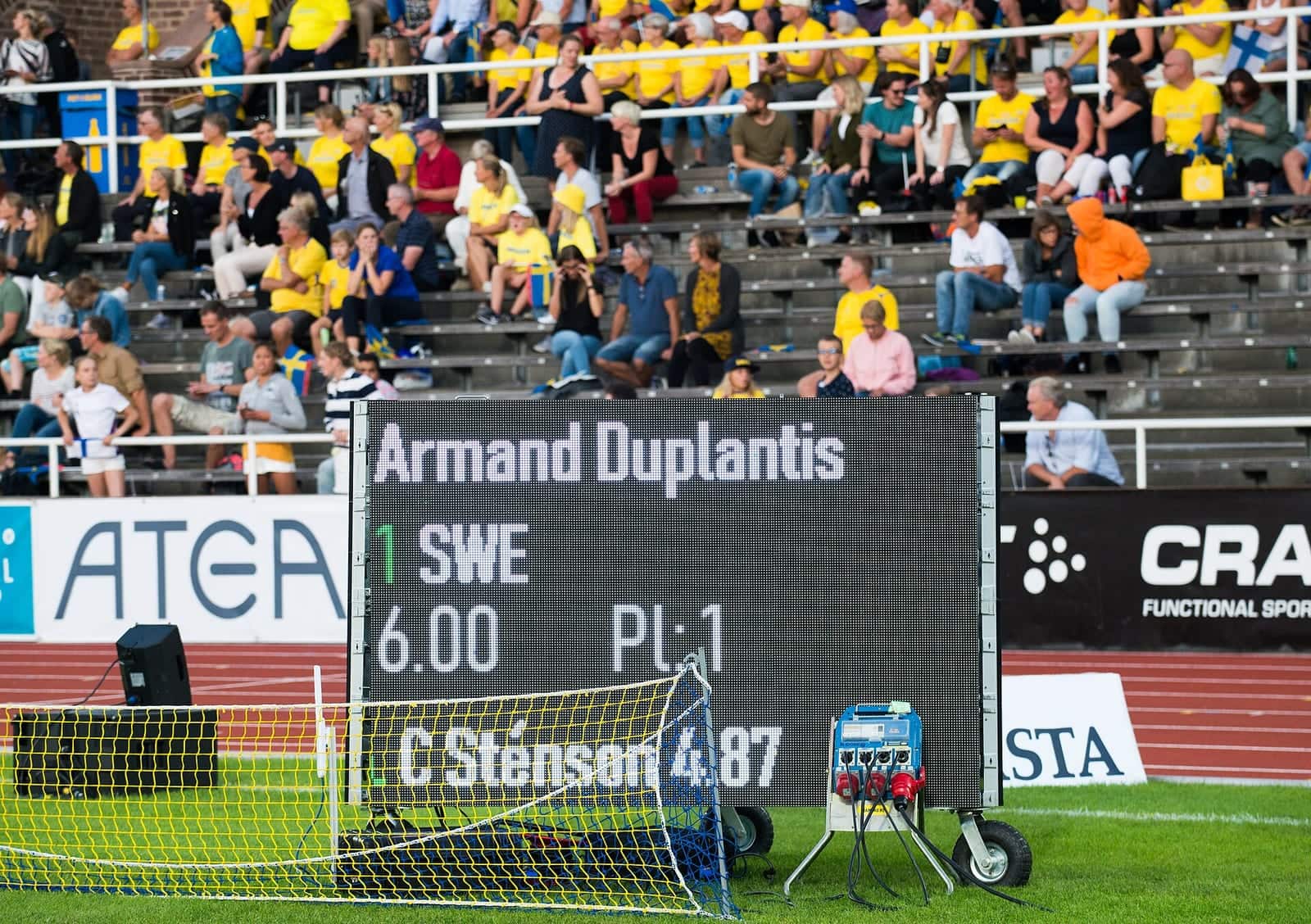
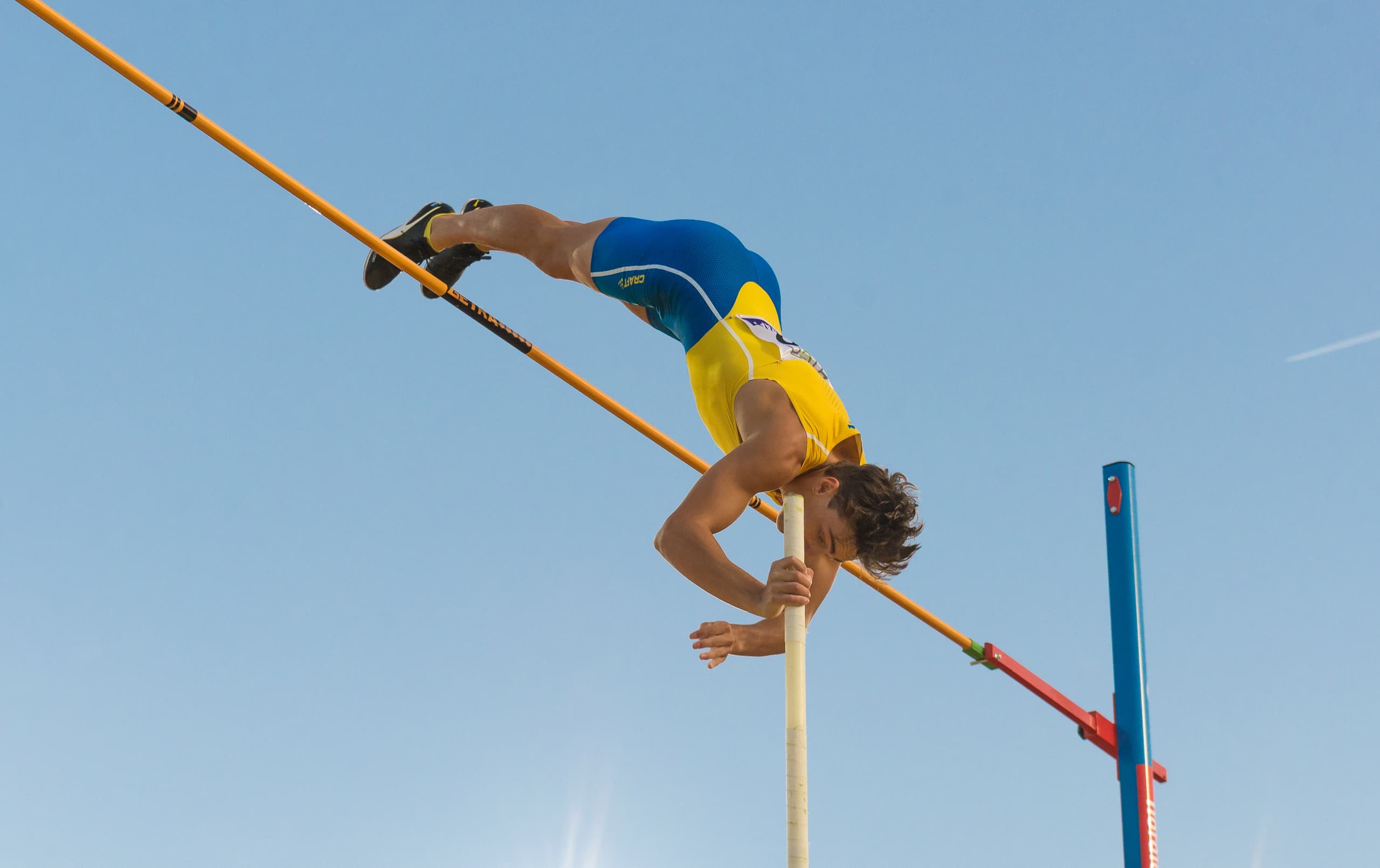
Under the lights of the National Athletics Centre in Budapest, Armand Duplantis did what he has made look routine. He cleared the bar, absorbed the roar, and walked away with a second world title. On 26 August 2023, the Swede retained the crown he first won in Eugene the year before, closing another major championship without a rival able to reach him.
The final followed the pattern he has imposed on the discipline. Duplantis entered late, passing the early heights while others expended their attempts. Ernest John Obiena of the Philippines pushed hardest, clearing 6.00 metres to take silver and set an Asian record. Kurtis Marschall of Australia held on for bronze at 5.95 metres. By then the contest for the title was effectively settled. Duplantis sailed over 6.10 metres for a championship record and the gold, then turned his attention to the only opponent that still interests him.
He called for 6.23 metres, one centimetre beyond his own world record. Three times he ran, planted and rose, and three times the bar came down with him. The record survived the night. The gold did not waver. In a stadium built for the sport, on ground he would later return to for record after record, Duplantis had again separated the winning of the championship from the hunt for history — treating the first as a formality and the second as the real ambition.
A title in a longer sequence
Budapest sits in the middle of a run that has few equals. Duplantis broke the world record for the first time in Torun in February 2020, clearing 6.17 metres at the age of twenty. Olympic gold in Tokyo followed in 2021, taken with a first-attempt 6.02 metres. His first outdoor world title arrived in Eugene in 2022, sealed by a world record of 6.21 metres. The Budapest gold made it a full set of major outdoor honours, held at the same time.
What came after only deepened the pattern. In Paris in 2024 he retained his Olympic title and raised the record to 6.25 metres, becoming the first back-to-back Olympic pole vault champion since 1956. In Tokyo in 2025 he won a third consecutive outdoor world title and pushed the record to 6.30 metres. By the spring of 2026, at the Mondo Classic in Uppsala, he had cleared 6.31 metres — the fifteenth world record of a career that keeps advancing by single centimetres.
The quiet mark
Seen from later, Budapest reads less as a peak than as a checkpoint. It was the night the winning became automatic, and the record became the point. Duplantis kept the title. Then he went looking for more.